




Treasury Wine Flags Lower Earnings, Focuses on Luxury Market
Treasury Wine Estates expects lower earnings for the current financial year as it shifts focus to solidifying key markets and expanding its luxury portfolio.
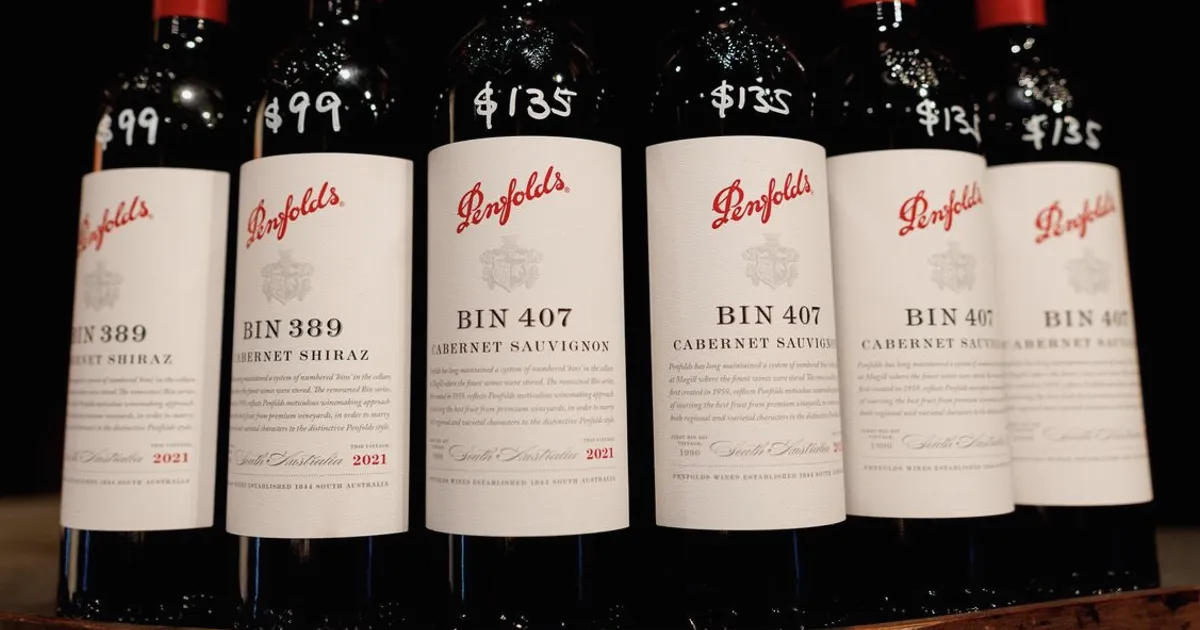
Treasury Wine Estates Ltd., the Australian vintner behind brands like Penfolds and Wolf Blass, flagged lower earnings for the current financial year as it pivots toward the luxury segment. The company said it expects profit to decline amid a strategic shift to solidify key markets and bolster its high-end portfolio. This earnings warning comes as the broader market grapples with elevated interest rates and shifting consumer spending patterns, which have compressed valuation multiples across consumer staples. The Fed model, which compares earnings yield to the 10-year Treasury yield, currently shows a risk premium near historical lows, making high-margin luxury plays like Treasury Wine more attractive to income-focused investors seeking yield stability.
The wine producer is navigating a challenging global environment, with changing consumer preferences and inventory adjustments weighing on volumes. By focusing on luxury wines, Treasury aims to capture higher margins and reduce exposure to the volatile mass-market segment. For equities traders, the earnings warning signals potential headwinds for the stock, which may face pressure as the market digests the outlook. However, sector rotation toward defensive growth could support the stock if the luxury transition gains traction. Buyback yields in the consumer staples sector have averaged 2.5% over the past year, providing a floor for valuations, while options-implied volatility for Treasury Wine suggests a 15% swing risk over the next month. Investors can track real-time price movements of Treasury Wine Estates on NowPrice for the latest levels.
Looking ahead, the company's success will hinge on execution in key markets such as China, where luxury demand has shown resilience, and the United States. Traders will watch for updates on premium brand performance and any shifts in global trade dynamics that could affect wine exports. Breadth indicators, such as the advance-decline line for Australian consumer discretionary stocks, have weakened, but a recovery in luxury sentiment could reverse this trend. The next earnings report will provide further clarity on the pace of the luxury transition, with forward P/E ratios for premium wine peers trading at 18-22x, offering a benchmark for valuation. Monitoring options market positioning and buyback announcements will be crucial for assessing near-term risk.