




Wall Street Abandons Euro Strength Bets as US Rate Hikes Outpace Europe
Wall Street banks are reversing bullish euro positions as expectations grow that US interest-rate hikes will outpace European Central Bank tightening for the rest of the year, weighing on the euro.
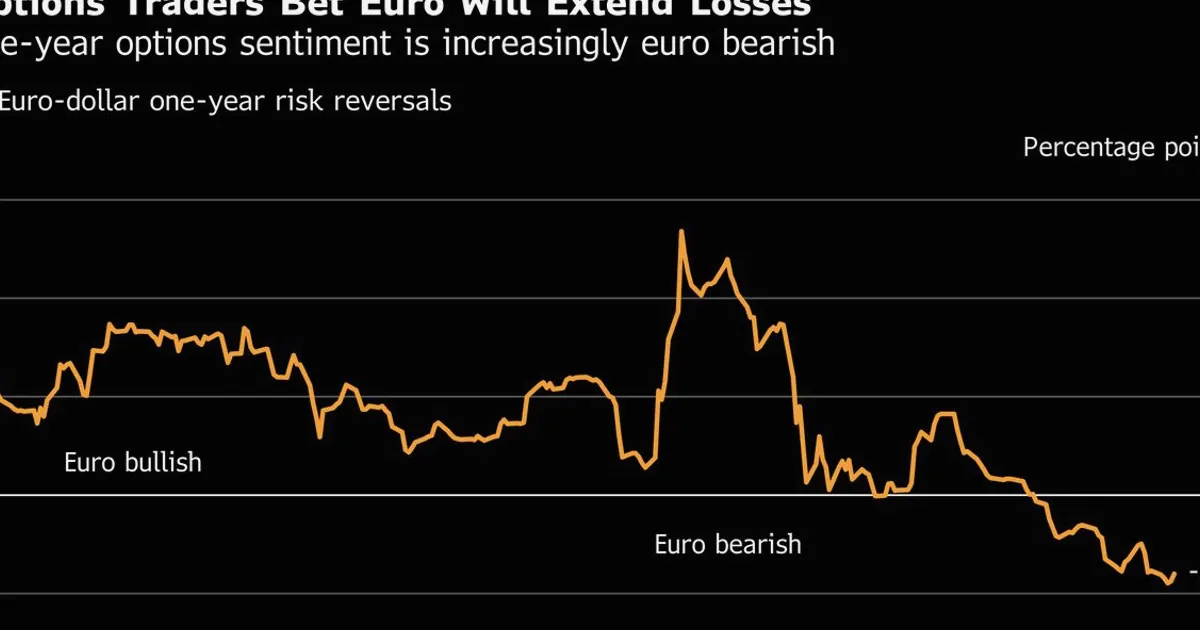
Wall Street banks are abandoning bets on a stronger euro, capitulating as markets increasingly expect the Federal Reserve to outpace the European Central Bank on interest-rate hikes for the remainder of the year. The shift reflects a growing consensus that the US economy will maintain its relative strength, allowing the Fed to keep tightening monetary policy while the ECB faces headwinds from a weaker growth outlook. This divergence in rate expectations has driven the euro lower against the dollar, prompting traders to unwind long euro positions. For equity investors, a weaker euro can have mixed implications: it benefits European exporters by making their goods cheaper abroad, but it also raises import costs and may signal underlying economic weakness that could weigh on corporate earnings. In the context of the Fed model, which compares earnings yield on equities to Treasury yields, the relative attractiveness of US stocks versus European stocks shifts with currency moves. A weaker euro reduces the dollar-denominated earnings of US multinationals with European exposure, potentially lowering forward P/E multiples if earnings forecasts are cut. Meanwhile, European exporters may see margin expansion, but broader economic weakness could cap gains. Breadth indicators in European equity markets have narrowed, with only a few sectors like luxury goods and industrials holding up, while financials and consumer cyclicals lag. Sector rotation has favored defensives, suggesting investors are pricing in slower growth. Buyback yields in Europe remain low compared to the US, limiting a key support for equities. Options-implied volatility on euro-dollar has risen, reflecting uncertainty around the pace of rate divergence.
Traders should monitor upcoming US inflation data and ECB policy signals for further direction. Key levels to watch include the euro-dollar exchange rate around recent lows, as a break below could accelerate selling. Additionally, any shift in Fed rhetoric or surprise ECB hawkishness could trigger a reversal. For real-time pricing on currency pairs and related equities, check NowPrice's stocks page for current market context.