




Australian Wheat Crop Seen Falling 26% on Drought and War Costs
Australia's winter wheat crop is forecast to drop 26% in 2026/27 due to dry weather, low global prices, and higher input costs from the Middle East conflict, tightening global supply.
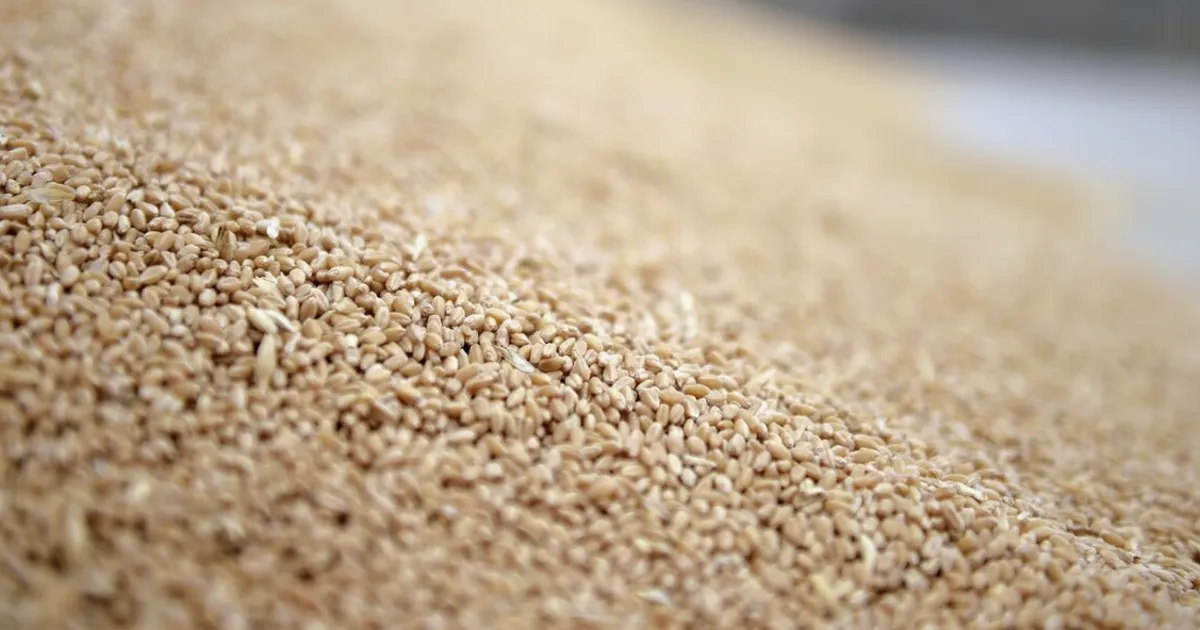
Australia's winter wheat crop is forecast to fall by more than a quarter in the 2026/27 season, pressured by unusually dry weather, low global prices, and higher input costs stemming from the war in the Middle East. The Australian Bureau of Agricultural and Resource Economics and Sciences (ABARES) projects the crop at 24.5 million metric tons, down 26% from the previous season. The dry conditions across key growing regions in New South Wales and Western Australia have reduced yield expectations, while elevated costs for fertilizers and fuel—linked to the Middle East conflict—have squeezed farmer margins. Additionally, low international wheat prices have discouraged planting. For traders monitoring global grain supplies, the Australian shortfall adds to tightening stocks, as other major exporters also face weather-related challenges. NowPrice's real-time commodities quotes show wheat futures reacting to the supply concerns.
This projected decline in Australian wheat output is significant because Australia is one of the world's largest wheat exporters, typically supplying markets in Asia and the Middle East. A 26% drop reduces global availability, which can push up prices for importing nations already dealing with inflation. The dry weather is part of a broader pattern of climate variability affecting agriculture, while the war in the Middle East has disrupted supply chains for key inputs like nitrogen fertilizers, which rely on natural gas. Higher fuel costs also raise transportation expenses for farmers. Meanwhile, low global wheat prices—partly due to ample supplies from Russia and the US in previous seasons—have made it less profitable for Australian farmers to plant, exacerbating the reduction in acreage. The combination of these factors means the shortfall could tighten global wheat stocks, which are already at multi-year lows, potentially leading to higher prices for consumers and food security concerns in import-dependent regions.
Market participants will watch for further updates from ABARES and weather forecasts for the remainder of the growing season. The impact on global wheat prices will depend on harvest outcomes in other key producers, including Russia and the US, as well as any shifts in demand from importing nations. Traders will also monitor developments in the Middle East for any easing of input cost pressures, and central bank policies that affect currency exchange rates, which can influence export competitiveness. NowPrice's real-time data will continue to track these variables, providing insights into how the supply-demand balance evolves.