




CFTC Broad Probe Into Polymarket Prediction Platform
The US Commodity Futures Trading Commission is conducting a broad investigation into Polymarket, the prediction market platform facing legal and operational challenges.
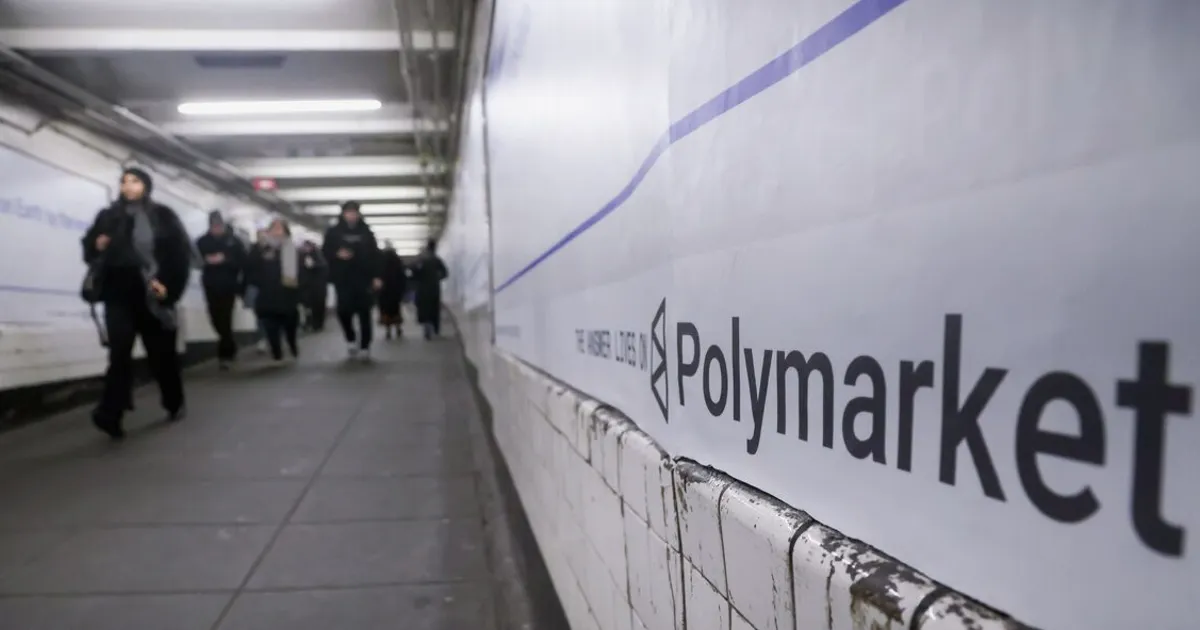
The US Commodity Futures Trading Commission (CFTC) is conducting a broad investigation into Polymarket, the prediction market platform, according to a person familiar with the matter. This probe marks the latest regulatory challenge for the platform, which has been plagued by operational stumbles and legal scrutiny. Polymarket allows users to trade on the outcomes of real-world events, such as elections or sports, using cryptocurrency-based contracts. The CFTC's investigation reportedly focuses on whether Polymarket's offerings constitute illegal, off-exchange commodity options or swaps under the Commodity Exchange Act. The platform has previously faced a $1.4 million fine from the CFTC in 2022 for failing to register as a swap execution facility and for offering binary options without proper oversight. This new probe suggests the regulator is intensifying its enforcement efforts in the rapidly growing prediction market sector.
For traders, this investigation signals heightened regulatory risk in the prediction market space, which could impact investor sentiment and platform usage. Polymarket allows users to bet on the outcomes of real-world events, and any regulatory action could set precedents for how such platforms are treated under US law. The CFTC's focus on commodity futures regulation means that prediction markets may be classified as derivatives, subjecting them to stricter oversight. This could force platforms like Polymarket to register as designated contract markets or swap execution facilities, imposing compliance costs and limiting the types of contracts they can offer. The investigation also raises questions about the legal status of similar platforms, such as Kalshi and PredictIt, which have faced their own regulatory battles. If the CFTC takes a hard line, it could stifle innovation in decentralized prediction markets and reduce liquidity for traders who rely on these platforms for hedging or speculative purposes.
Market participants should monitor any further announcements from the CFTC or Polymarket regarding the investigation. The outcome could influence the broader landscape for decentralized prediction platforms and related tokens. Traders may also want to watch for potential shifts in regulatory clarity that could affect similar platforms operating in the US. Key developments to track include any formal charges, settlement agreements, or new rulemakings from the CFTC. Additionally, the response from Polymarket—whether it chooses to fight the probe or seek compliance—will be crucial. The investigation could also prompt other prediction market platforms to preemptively adjust their offerings or relocate operations outside the US to avoid regulatory scrutiny. For now, the uncertainty surrounding Polymarket's legal status is likely to weigh on user confidence and trading volumes, making it a high-risk environment for participants.