




Bitcoin ETF Outflows Surge as Price Recovery Triggers Selling
Bitcoin ETF outflows have surged as price recovery triggers selling, exposing a structural dynamic where the level that should attract buyers also prompts heavy selling.
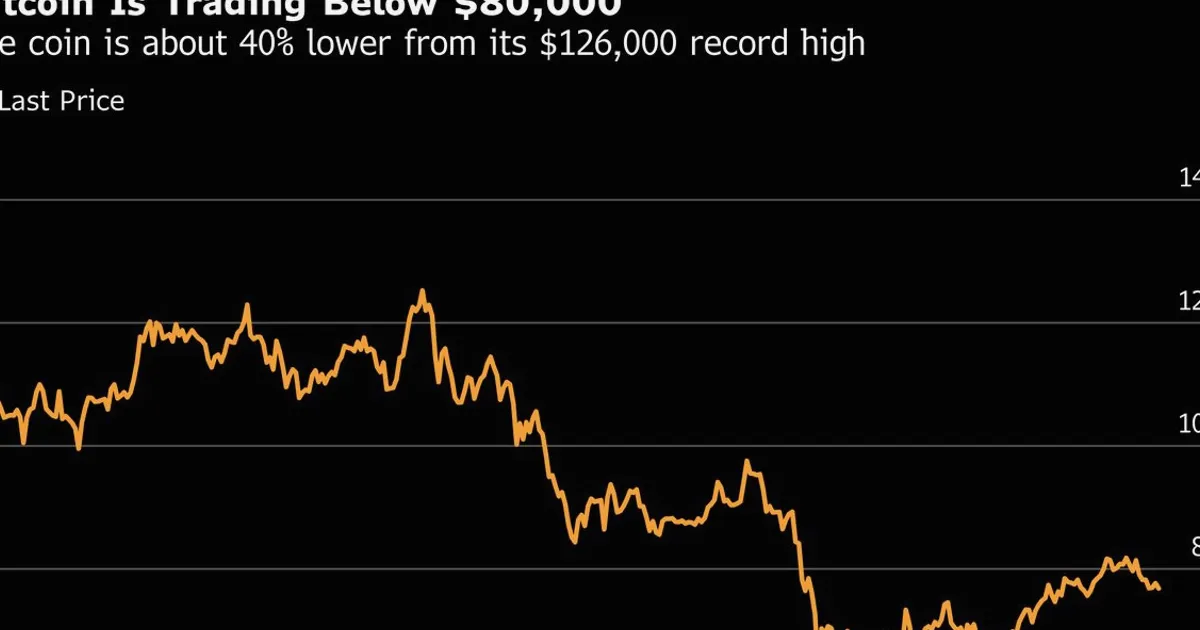
Bitcoin's recent price recovery has been met with a surge in ETF outflows, revealing a structural paradox in the crypto market. According to Bloomberg, the price level that typically draws buyers back in is also prompting some of the heaviest selling, as investors take advantage of the rebound to exit positions. This behavior is particularly notable because Bitcoin ETFs, such as those from BlackRock (IBIT) and Fidelity (FBTC), have become a primary vehicle for institutional participation. When prices rise, these funds often see inflows from new buyers, but the current trend shows the opposite: outflows are accelerating even as Bitcoin climbs, indicating that many holders are using the rally to lock in profits or cut losses.
This dynamic highlights a key challenge for Bitcoin's market structure: the same price zone that signals value to new entrants also serves as an exit opportunity for holders who accumulated at lower levels. The outflows suggest that institutional investors, who have been net sellers through ETFs, are using the recovery to reduce exposure. This creates a tug-of-war between fresh demand and profit-taking supply, which can cap upside momentum. For traders tracking the market, NowPrice's commodities page provides real-time pricing on Bitcoin and other digital assets to monitor these shifts, offering a clear window into how supply and demand are evolving at critical price points.
Looking ahead, the sustainability of Bitcoin's recovery will depend on whether buying demand can absorb the selling pressure from ETF outflows. Key levels to watch include the recent lows near $60,000 and the resistance zone around $70,000, which has historically acted as a barrier. Upcoming macroeconomic data, such as US inflation figures and Federal Reserve policy signals, could also influence risk appetite and crypto flows. If inflation remains sticky, tighter monetary policy might dampen speculative interest, while a softer reading could reignite inflows. Traders should also monitor ETF flow data daily, as persistent outflows could signal a deeper correction, whereas a reversal to inflows would confirm renewed institutional confidence.