




Chinese Copper Supplier Bets US Demand Can Absorb Tariffs
Zhejiang Hailiang, a Chinese copper manufacturer, expects its US customers to absorb higher costs from potential tariffs, signaling confidence in American demand resilience.
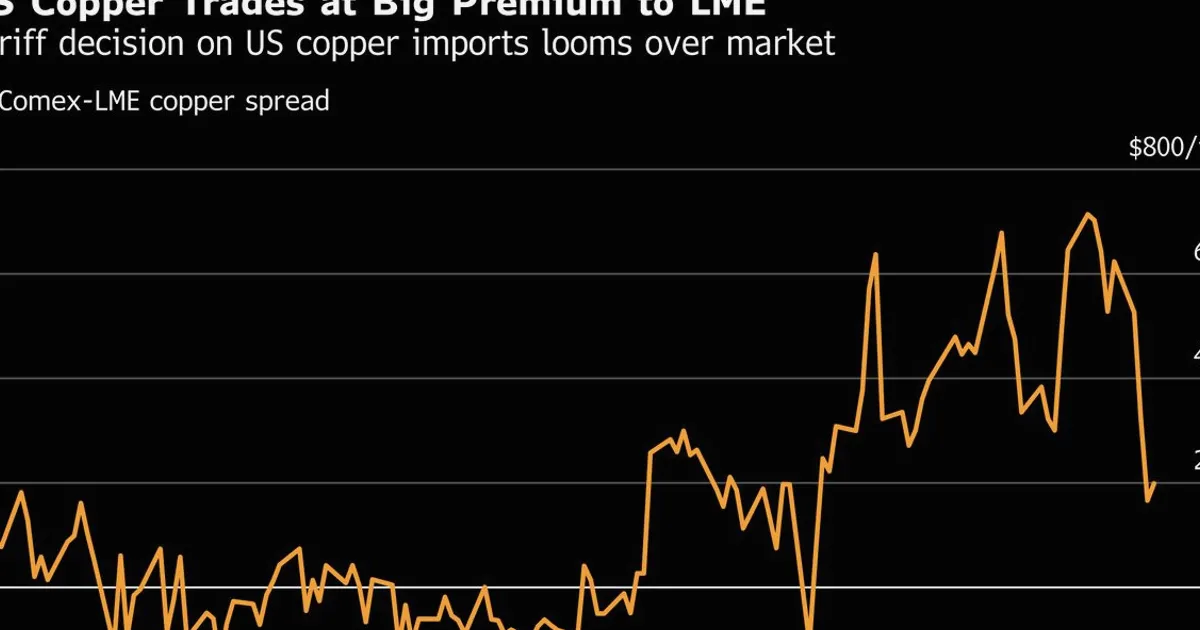
Chinese copper manufacturer Zhejiang Hailiang Co. is betting that its American customers will not be deterred by higher prices if the US follows through on placing tariffs on the refined metal. The company's stance reflects a broader confidence in the resilience of US demand for copper, a key industrial metal used extensively in construction, power grids, and electric vehicles. Hailiang, which supplies copper tubes and rods to US clients, believes that the structural demand from infrastructure modernization and the green energy transition will outweigh the cost impact of potential tariffs. This view is shared by some analysts who note that US copper consumption is heavily dependent on imports, with domestic production covering only about half of the country's needs.
For commodities traders, the potential tariffs on copper imports could reshape supply chains and price dynamics. If US demand remains robust, domestic copper prices may rise as import costs increase, benefiting US producers like Freeport-McMoRan (FCX) but pressuring downstream users such as wire and cable manufacturers. Conversely, if tariffs dampen demand, global copper prices could face headwinds, especially if Chinese exports are redirected to other markets. Live copper prices and charts on NowPrice show how the market is currently pricing in these risks, with futures on the COMEX and LME reflecting uncertainty. The tariff threat comes at a time when global copper inventories are relatively low, which could amplify price swings.
Looking ahead, traders should monitor US trade policy announcements and Chinese export data for copper. Any escalation in trade tensions could lead to increased volatility in base metals, as seen during the 2018-2019 trade war. Additionally, the pace of US infrastructure spending under the Bipartisan Infrastructure Law and EV adoption will be key drivers of copper demand, influencing whether the market can absorb potential tariff-induced price increases. Key dates to watch include the US Trade Representative's review of Section 232 tariffs on copper and the Chinese government's stimulus measures that could affect export volumes.