




Coffee and Sugar Rally on Supply Fears From Adverse Weather
Coffee and sugar futures extended gains in New York and London as adverse weather in key growing regions fueled supply concerns, driving prices higher.
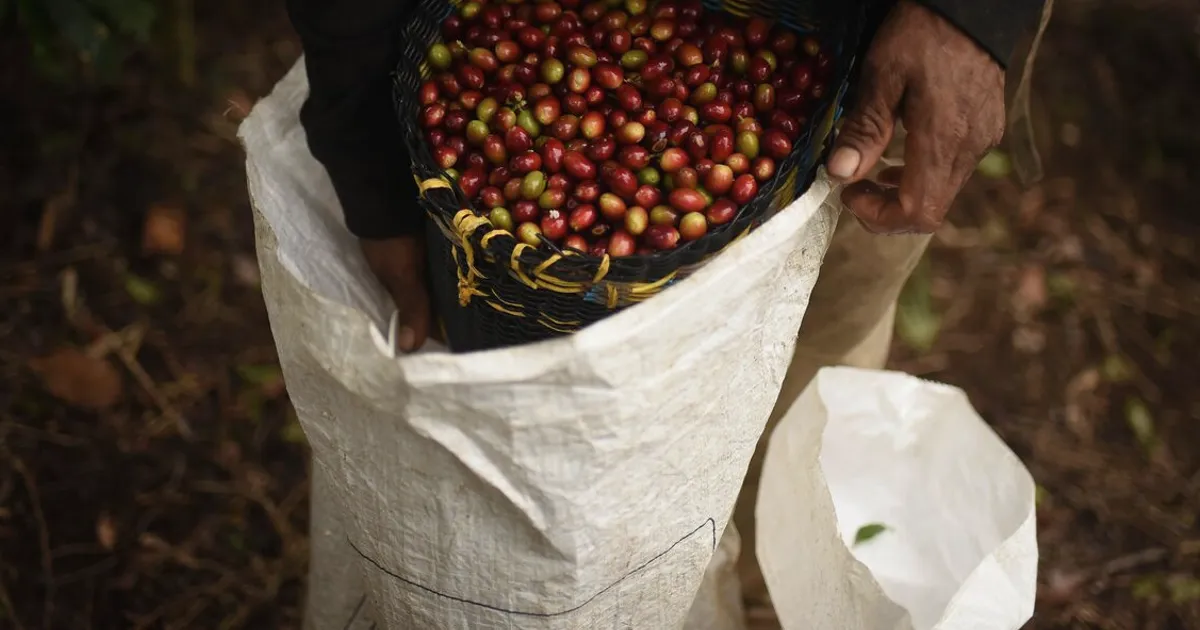
Coffee and sugar futures extended their rally in New York and London on Wednesday, driven by adverse weather conditions in key growing regions that heightened supply concerns. Arabica coffee futures on the Intercontinental Exchange (ICE) rose 2.3% to $2.45 per pound, while raw sugar futures gained 1.8% to 22.5 cents per pound. The moves reflect growing anxiety among traders about potential output shortfalls from major producers, as dry weather in Brazil and drought in Southeast Asia threaten crops. These commodities are particularly sensitive to weather because they are grown in tropical regions with limited irrigation, making them vulnerable to shifts in rainfall patterns. The rally also lifted other soft commodities, with cocoa futures climbing 1.5% on ICE.
For commodities traders, the rally underscores the sensitivity of soft commodities to weather disruptions. Brazil, the world's largest coffee and sugar producer, has faced dry conditions that could reduce yields, with some regions experiencing the lowest rainfall in decades. Similarly, drought in parts of Southeast Asia, including Thailand and India, has threatened sugar cane crops, potentially curbing exports from these key suppliers. These supply-side pressures come at a time when global demand remains steady, driven by population growth and increasing consumption in emerging markets, creating a supportive backdrop for prices. Traders can monitor real-time pricing on NowPrice's commodities page to track these moves, as well as access historical data and technical analysis tools to identify trends.
Looking ahead, market participants will focus on weather forecasts for Brazil and other key regions, as well as upcoming crop reports from industry groups. Any signs of sustained dryness could extend the rally, while improved rainfall might trigger profit-taking. The next major data point is the Brazilian crop agency's monthly update, due later this month, which will provide official estimates of production and export volumes. Additionally, the U.S. Department of Agriculture's World Agricultural Supply and Demand Estimates report, scheduled for release in early December, will offer a comprehensive global outlook. Traders should also watch for currency movements, as a weaker Brazilian real could encourage producer selling, potentially capping price gains.