




Commodities in 'Super-Squeeze' as Hormuz Risks Build, HSBC Says
HSBC warns commodities are in a 'super-squeeze' that could intensify if the Strait of Hormuz remains effectively shut, threatening global supply chains and energy prices.
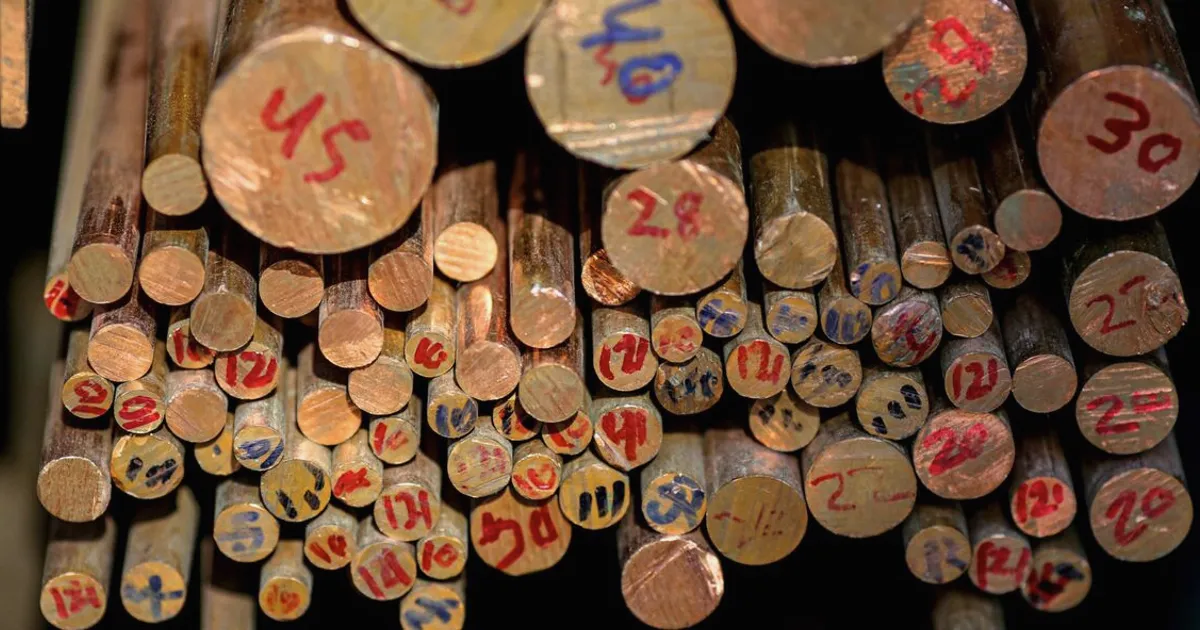
HSBC Holdings Plc has warned that commodities markets are experiencing a 'super-squeeze' that could worsen if the Strait of Hormuz remains effectively shut. The strategic waterway, through which about a fifth of the world's oil passes, has become a flashpoint amid rising geopolitical tensions in the Middle East. The bank's analysis suggests that the current supply constraints are already severe, and any prolonged disruption at Hormuz would amplify price pressures across energy, metals, and agricultural markets.
For traders, this is a critical development. The Strait of Hormuz is a chokepoint for global oil shipments, and its closure would immediately tighten crude supplies, pushing benchmark prices like Brent and WTI higher. Beyond oil, the disruption would affect liquefied natural gas (LNG) flows and could spill over into other commodities as shipping costs and insurance premiums surge. Traders can track real-time price movements of key commodities on NowPrice's live dashboard, which covers crude oil, natural gas, gold, and agricultural products. The 'super-squeeze' scenario also raises the risk of contagion to equity and bond markets, as higher input costs squeeze corporate margins and central banks face renewed inflationary pressures.
Looking ahead, traders should monitor diplomatic efforts to de-escalate tensions in the region, as well as any official statements from Iran and Gulf states regarding the strait's status. Key data releases to watch include weekly US crude inventory reports from the Energy Information Administration (EIA) and any emergency meetings of the International Energy Agency (IEA) regarding strategic petroleum reserves. Additionally, shipping insurance rates and tanker traffic data will provide real-time signals on the severity of the disruption. The situation remains fluid, and further escalation could trigger a sustained rally in energy and commodity prices.