




Indonesia Advances Export Control Plan Despite Uncertainty
Indonesia is pushing ahead with plans to centralize exports of key commodities from June 1, creating regulatory uncertainty for producers of nickel, coal, and palm oil.
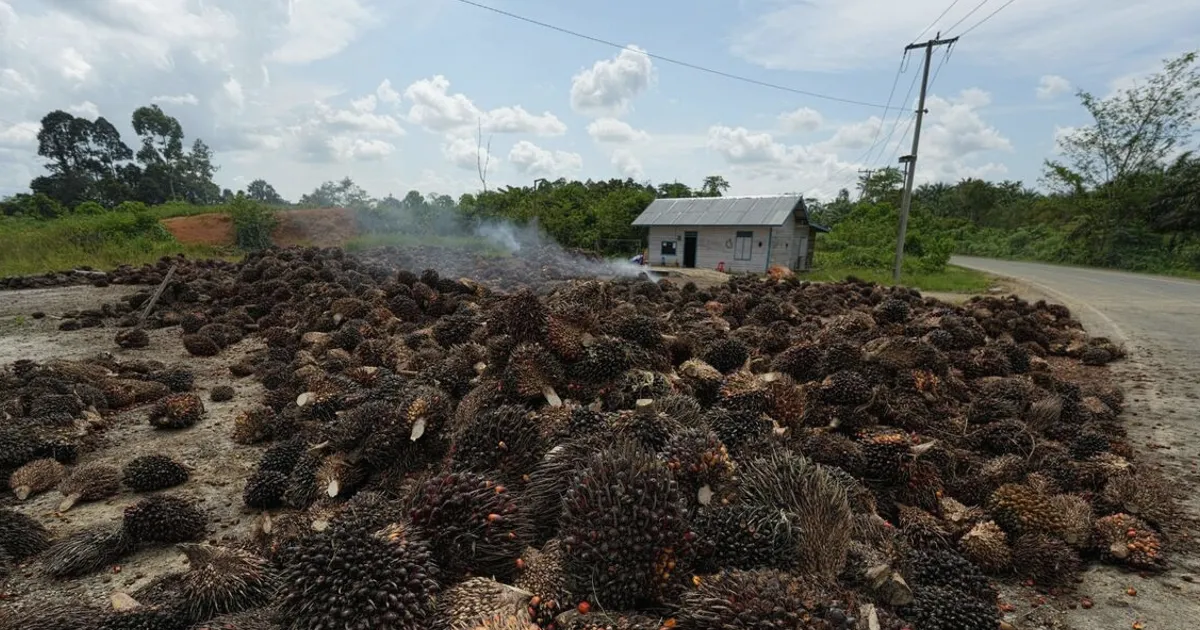
Indonesia is advancing its plan to centralize exports of key commodities starting June 1, despite lingering uncertainty over implementation details. The policy, announced by the Ministry of Trade, aims to give the government greater control over natural resource exports, including nickel, coal, and palm oil, which are critical to global supply chains. Under the new system, all exporters must obtain permits from a single agency, replacing the current decentralized process. This move is part of Indonesia's broader strategy to increase domestic processing and retain more value from its resources, similar to its earlier ban on nickel ore exports that reshaped the global nickel market.
For commodities traders, this introduces a new layer of regulatory risk. Indonesia is the world's largest exporter of nickel, supplying about 30% of global production, and a major supplier of thermal coal and palm oil. Any disruption or delay in export approvals could tighten supply and support prices, as seen when Indonesia briefly banned palm oil exports in 2022, causing global vegetable oil prices to spike. Traders should monitor NowPrice's commodities page for real-time pricing on these key materials as the June 1 deadline approaches, as price volatility is likely to increase.
Looking ahead, market participants will focus on the specific implementation rules and whether the government will grant exemptions or phase in the controls. Key details, such as which commodities are prioritized and how quotas are allocated, remain unclear. Any signs of delays or softening of the policy could ease supply concerns, while strict enforcement may boost prices further. The next key date is June 1, when the policy is scheduled to take effect. Traders should also watch for any announcements from the Ministry of Trade regarding transitional arrangements or industry feedback, as these could provide clues on the policy's ultimate impact.