




Indonesia to Detail Commodity Export Policy in Coming Weeks
Indonesia's trade ministry announced that details of its new centralized commodity export agency and policy will be rolled out in the coming weeks, impacting global supply chains for key resources.
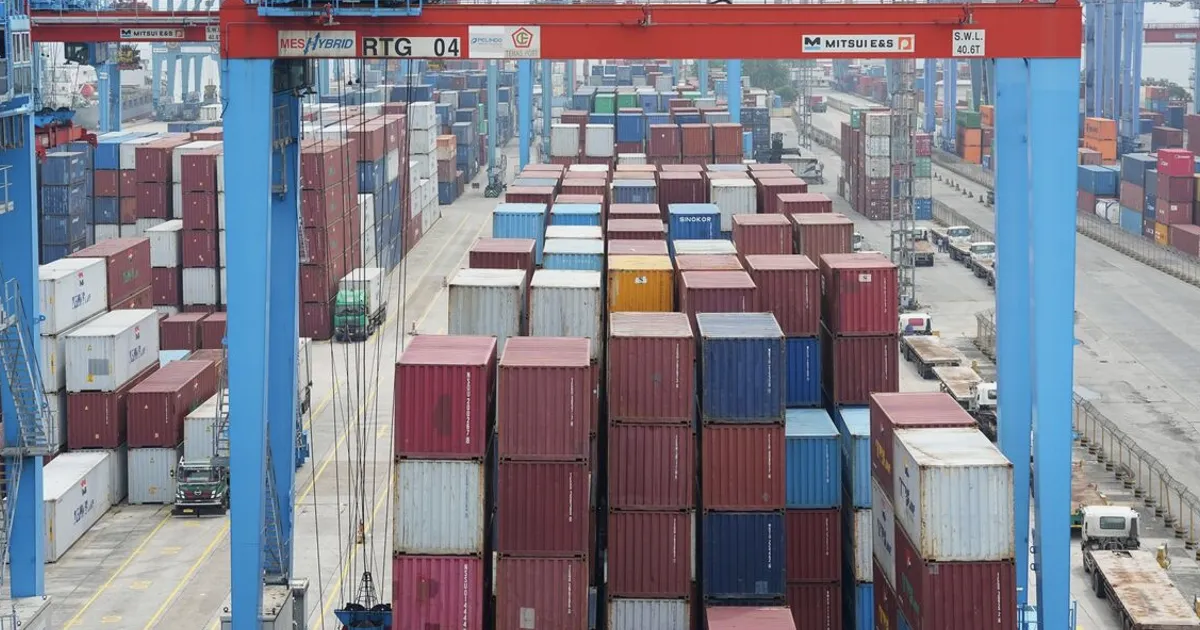
Indonesia's trade ministry has signaled that detailed rules for its new commodity export policy will be released in the coming weeks, as the government finalizes the legal framework for a centralized export agency. The announcement, made by a senior trade ministry official, marks a key step in Jakarta's plan to tighten control over the export of natural resources such as nickel, coal, and palm oil. This centralized agency is designed to consolidate oversight, streamline licensing, and potentially impose stricter quotas or tariffs, replacing the current fragmented system. The official stated that the policy details are expected to be published within two to three weeks, following inter-ministerial approval.
The policy shift is significant for global commodity markets. Indonesia is the world's largest exporter of nickel and a major supplier of thermal coal and palm oil. A centralized agency could streamline or restrict export flows, potentially affecting global prices and supply chains. For instance, nickel is a key input for stainless steel and electric vehicle batteries, while coal is vital for power generation in Asia. Palm oil is used in food and biofuels. Traders and importers are watching closely for specifics on licensing, quotas, and tariffs. Any tightening could exacerbate supply constraints, especially for nickel, where Indonesia already dominates production. For real-time prices on key Indonesian commodities, NowPrice offers up-to-the-minute quotes on nickel, coal, and palm oil futures, helping market participants track volatility.
Market participants should monitor the upcoming policy details for clues on export volumes and pricing mechanisms. Any indication of tighter export controls could boost prices for nickel and coal, while a more liberal regime might ease supply concerns. The rollout timeline and implementation date will be critical for forward planning in the commodities sector. Analysts also note that the policy could impact Indonesia's trade balance and foreign investment, as mining companies assess the regulatory environment. The government's broader goal is to increase domestic processing and value addition, which could reshape global supply chains over the long term.