




Indonesia Plans Tighter Control Over Commodity Exports
Indonesia's President Prabowo Subianto plans to create a new state entity under sovereign wealth fund Danantara to oversee commodity exports, surprising even some of his own officials.
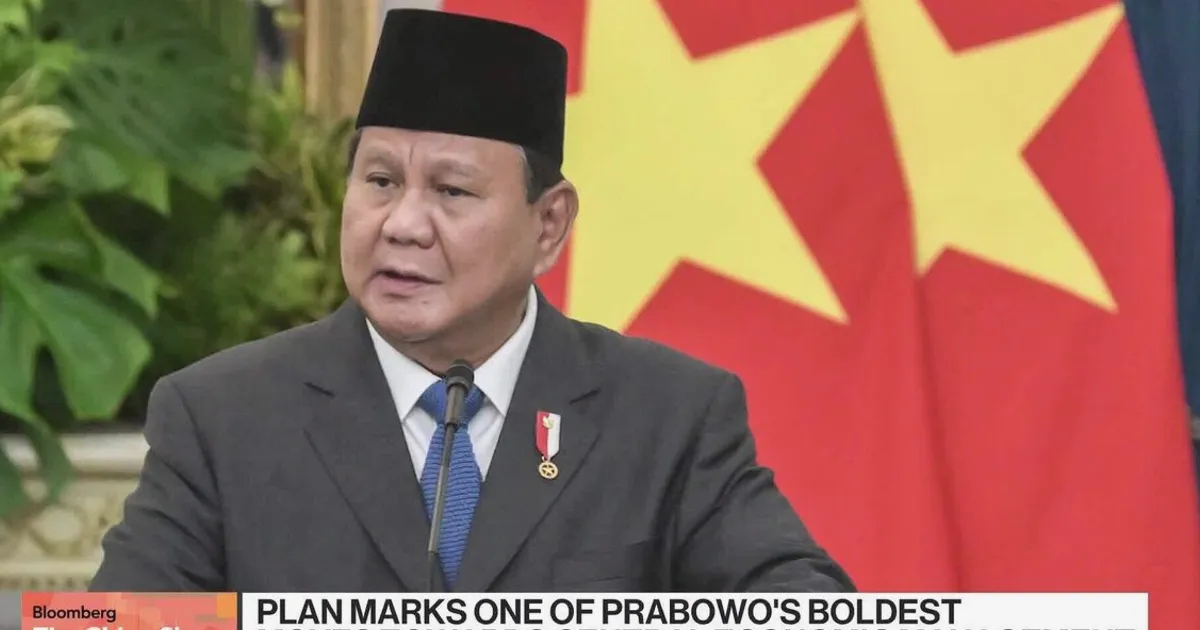
Indonesian President Prabowo Subianto has announced plans to establish a new state entity under the sovereign wealth fund Danantara to oversee commodity exports, according to sources familiar with the matter. The move has reportedly surprised even some of the president's own officials, signaling a significant shift in the country's resource management strategy. This centralized approach aims to consolidate control over the export of key commodities such as coal, nickel, and palm oil, which are vital to Indonesia's economy. For traders, this could lead to supply disruptions and price volatility in global markets, particularly for nickel used in electric vehicle batteries. NowPrice's real-time commodities quotes provide the latest price levels for these key resources, helping traders monitor market reactions.
The initiative represents a broader trend of resource nationalism in Southeast Asia, where governments are seeking greater control over strategic resources to maximize domestic benefits and reduce foreign influence. By tightening oversight, Indonesia aims to ensure that its natural resources contribute more directly to national development and industrial growth. However, this could also create uncertainty for international buyers and investors, as the new entity may impose stricter export regulations or pricing mechanisms. The potential for supply constraints is especially significant for nickel, a critical component in lithium-ion batteries, where Indonesia is already a major global supplier. Any disruption could ripple through the electric vehicle supply chain, affecting automakers and battery producers worldwide. NowPrice's real-time commodities quotes help traders stay ahead of these developments by offering up-to-the-minute price data for coal, nickel, and palm oil.
Market participants will be watching for further details on the entity's structure and scope, as well as any potential impact on Indonesia's trade relations with major importers like China and the European Union. The announcement adds to a growing trend of resource nationalism in Southeast Asia, which could reshape global supply chains for critical minerals. Key factors to monitor include the timeline for the entity's implementation, the specific commodities it will cover, and whether it will set export quotas or price floors. Additionally, any retaliation from trading partners or legal challenges under international trade agreements could influence the outcome. For now, traders should stay alert to policy announcements from Jakarta and adjust their strategies accordingly, using NowPrice's real-time quotes to navigate potential volatility in commodity markets.