




Indonesian Markets Slump on Commodity Export Control Speculation
Indonesian markets slumped as speculation grew that the government will centralize commodity exports to control capital flows and support the rupiah, while palm oil futures rose on supply concerns.
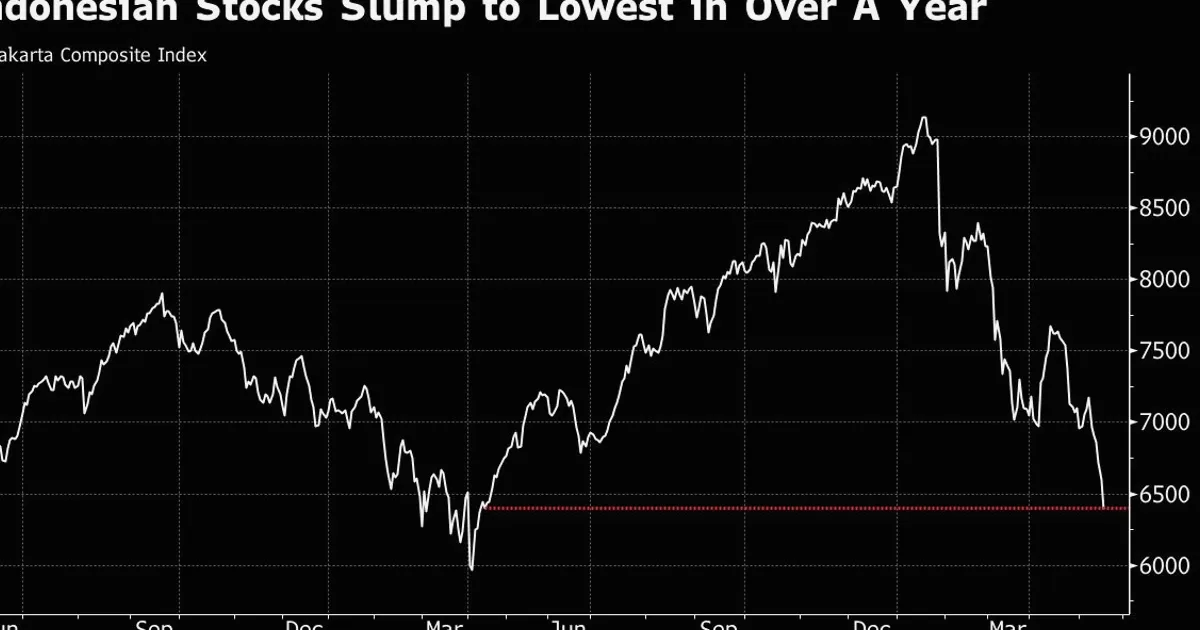
Indonesian markets slumped on Wednesday as speculation mounted that the government will centralize commodity exports to control capital flows and shore up the plunging rupiah. Palm oil futures rose amid supply concerns.
The Jakarta Composite Index fell sharply, while the rupiah weakened further against the dollar. Traders are reacting to unconfirmed reports that the government may require all commodity exporters to channel shipments through a single state-owned entity, effectively giving Jakarta control over foreign exchange receipts from key exports such as palm oil, coal, and nickel. Such a move would mirror past interventions in other emerging markets and could significantly alter trade flows and pricing dynamics.
For commodity traders, the key implication is increased uncertainty over export volumes and pricing. If the government centralizes sales, it could restrict supply to global markets, supporting prices for palm oil and other commodities. Conversely, it may also deter foreign investment and reduce export competitiveness. NowPrice's real-time commodities quotes show palm oil futures have already priced in some supply risk. Traders should monitor official statements from Indonesian authorities and watch for any confirmation or denial of the policy. The rupiah's trajectory will also be a key indicator of market sentiment. Next, focus on any data releases on trade balances and foreign exchange reserves, as well as policy signals from Bank Indonesia.