




Iron Ore Heads for Monthly Loss as Coal Spike Pressures Margins
Iron ore is set for a monthly decline as a brief rally from a fatal coal mine accident in China fades, with traders focusing on squeezed steel mill margins and rising shipments.
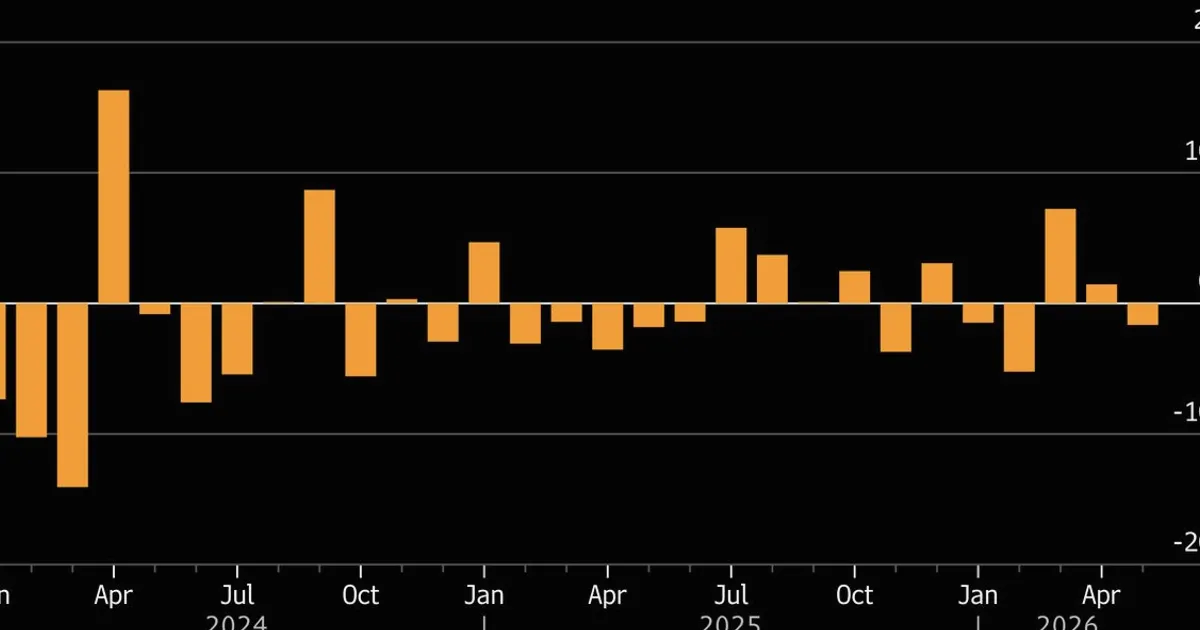
Iron ore is heading for a monthly loss as a short-lived rally triggered by a fatal coal mine accident in China's Shanxi province fades, leaving investors focused on mill margins and rising shipments. The accident, which occurred at a mine operated by a subsidiary of Shanxi Coking Coal Group, initially stoked fears of supply disruptions and drove a brief spike in coking coal prices. However, that rally quickly dissipated as the market returned its attention to the fundamental drivers of the steelmaking raw material.
Steel mill margins are under significant pressure from the spike in coking coal prices, which directly increases production costs for blast furnaces that rely on coal as both a fuel and a reducing agent. At the same time, iron ore shipments from major producers such as Rio Tinto, BHP Group, Vale, and Fortescue continue to mount, adding to supply-side pressure. The combination of squeezed margins and ample supply has weighed on iron ore prices throughout the month, with the benchmark SGX Asia Pacific 62% fines contract declining steadily. This dynamic reflects the broader interplay in the steel supply chain: when coal costs rise, mills either cut output or pass on costs, reducing demand for iron ore.
For traders, the key dynamic to watch is the interplay between coal costs and steel demand. If coal prices remain elevated due to ongoing supply constraints or sustained demand from other sectors, mill margins could stay compressed, potentially leading to reduced iron ore consumption and further price declines. On the supply side, any further increase in shipments from Australia and Brazil, which together account for over 70% of global seaborne iron ore trade, could exacerbate the price decline. NowPrice's live iron ore and coal price charts show how the market is reacting to these shifting fundamentals in real time. The next catalyst will be Chinese steel output data for the coming months and any policy signals from Beijing regarding infrastructure spending, which directly influences steel demand in the world's largest producer and consumer.