




Nickel Spikes After Report of Indonesian NPI Production Cut
Nickel prices surged after reports that Indonesia, the world's top producer, is cutting NPI output, tightening supply and boosting sentiment for the metal used in stainless steel and batteries.
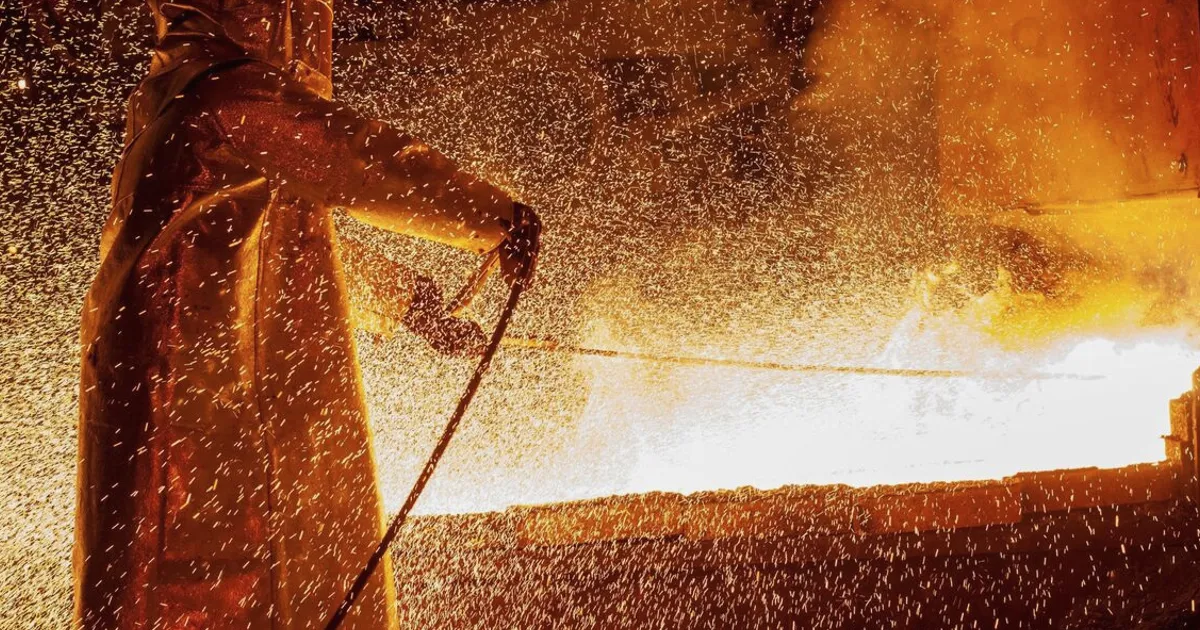
Nickel prices spiked sharply on Tuesday after a report indicated further production cuts of nickel pig iron (NPI) in Indonesia, the world's largest producer of the metal. The move underscores the market's sensitivity to supply-side developments in the Southeast Asian nation, which accounts for over half of global nickel output. The price surge was notable across both the London Metal Exchange (LME) and Shanghai Futures Exchange, with LME three-month nickel futures jumping over 4% at one point before settling higher. This reaction highlights how any disruption in Indonesian supply can quickly reverberate through global markets, given the country's dominant position in the nickel supply chain.
The report, which has not been officially confirmed, suggests that Indonesian smelters are reducing NPI output amid low prices and environmental pressures. NPI is a lower-grade nickel product primarily used in stainless steel, but the cuts could also affect the broader nickel market, including higher-grade material used in electric vehicle batteries. The potential shift in supply dynamics is particularly significant because NPI can be processed into nickel matte, which is then used to produce battery-grade nickel sulfate. Traders are now pricing in a tighter supply outlook, which has lifted sentiment across the complex. For the latest nickel prices, traders can check NowPrice's real-time commodities quotes.
Looking ahead, the market will focus on any official confirmation from Indonesian authorities or major producers such as PT Vale Indonesia and PT Aneka Tambang. Key data to watch include Chinese stainless steel production figures and LME nickel inventory levels, which have been declining in recent weeks. A sustained supply cut could support prices, but any reversal or demand weakness may cap gains. Additionally, the broader macroeconomic environment, including interest rate decisions and global manufacturing activity, will influence nickel's trajectory. Traders should also monitor developments in the electric vehicle sector, as battery demand remains a key long-term driver for nickel consumption.