




Political Turmoil Hits Emerging Markets, Derailing Rally
A fresh wave of political turmoil across Latin America and Eastern Europe is derailing the recent rally in emerging-market assets, raising risk aversion among traders.
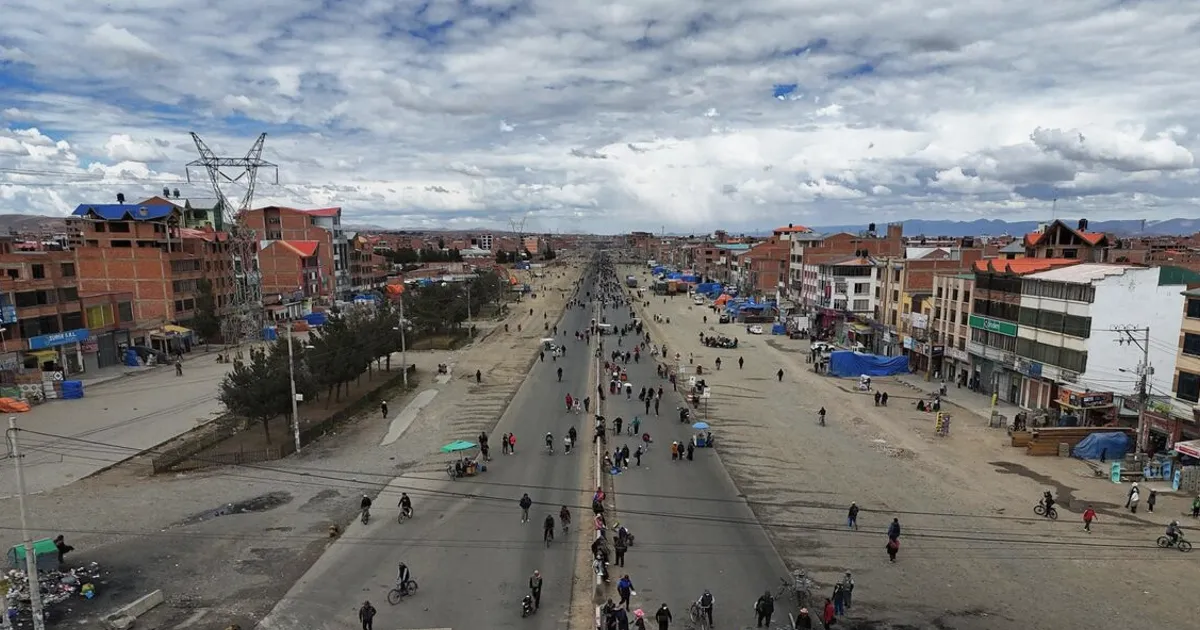
A fresh wave of political turmoil is hitting emerging markets, reversing recent gains across Latin America and Eastern Europe. Investors who had piled into riskier assets on hopes of stable growth are now facing a sudden shift in sentiment as political risks resurface. This volatility underscores how quickly market dynamics can change when geopolitical tensions escalate, particularly in regions where institutional stability is fragile. The selloff is broad-based, affecting currencies, equities, and bonds. Political instability often leads to capital outflows, as foreign investors seek safer havens. In emerging markets, such episodes can trigger sharp currency depreciations and higher borrowing costs, as risk premiums spike. Traders can track the impact on commodity-linked currencies and emerging-market ETFs on NowPrice's live commodities dashboard, which provides real-time price action for key assets.
Why this matters now is that emerging markets had been rallying on expectations of a dovish Federal Reserve and improving global trade conditions. The sudden resurgence of political risk disrupts that narrative, forcing a reassessment of risk premiums. When political uncertainty rises, investors typically demand higher yields to compensate for the added risk, which pushes bond prices down and borrowing costs up. This can strain economies that are already grappling with high debt levels or inflationary pressures. For commodity-exporting nations, the selloff may also weigh on local currencies, making imports more expensive and potentially fueling inflation. The impact is amplified in countries with large current account deficits or heavy reliance on foreign capital, as capital flight can quickly deplete reserves and trigger a vicious cycle of depreciation and higher inflation.
Looking ahead, market participants will focus on any policy responses from central banks in affected countries, as well as developments in global risk sentiment. Key data releases, such as inflation and GDP figures, will be closely watched for signs of economic spillover. The duration of the selloff will depend on how quickly political tensions ease and whether broader contagion to other emerging markets occurs. If the turmoil persists, it could lead to more aggressive monetary tightening in some countries, further dampening growth prospects. Conversely, a swift resolution could restore confidence and allow the earlier rally to resume. Traders should monitor NowPrice's live dashboard for real-time updates on currency pairs, bond yields, and commodity prices that are most sensitive to emerging-market risk.