




Rice Prices Hit One-Year High on Crop Worries
A benchmark Asia rice price rose to its highest in over a year, driven by mounting concerns over harvests across the region, signaling potential upside for agricultural commodity traders.
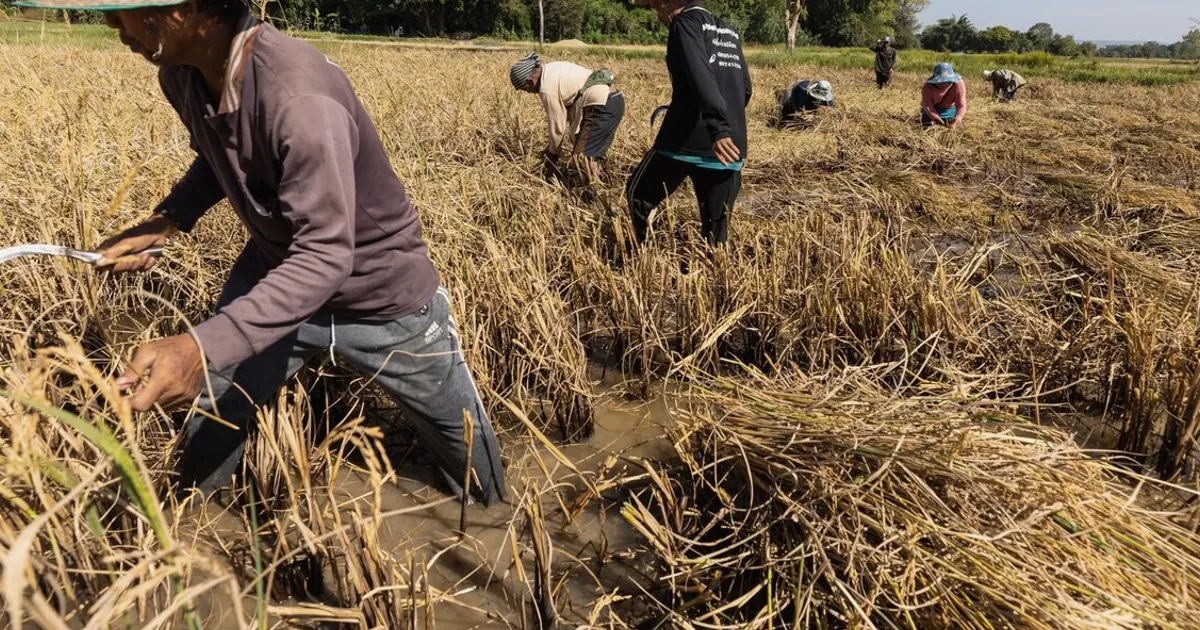
A benchmark Asia rice price has surged to its highest level in over a year, as mounting concerns over crop yields across the region fuel a sustained rally. The move reflects tightening supply expectations amid adverse weather patterns and policy uncertainties in key exporting nations. The benchmark Thai white rice 5% broken, a widely tracked grade, has climbed to around $600 per metric ton, a level not seen since mid-2023. This rally is driven by a combination of El Niño-related dry spells in Indonesia and Vietnam, which have reduced planting areas, and export restrictions from India, the world's largest rice exporter, which has maintained a ban on non-basmati white rice shipments since July 2023 to control domestic prices. The Philippines, a major importer, has also been actively buying to replenish state reserves, adding further upward pressure.
The rally in rice prices is significant for financial markets, particularly for traders focused on agricultural commodities. Rice is a staple for billions, and price spikes can influence inflation dynamics in importing countries, potentially affecting central bank policy. For example, higher rice costs have already pushed food inflation in the Philippines to 6.4% in March, complicating the central bank's rate decisions. In broader commodity markets, rice's move echoes trends in other grains like wheat and corn, which have also seen supply disruptions from weather and geopolitical tensions. For traders tracking real-time commodities quotes, NowPrice provides up-to-the-minute data on rice and other soft commodities to help gauge market momentum. The rice rally also highlights the vulnerability of global food systems to climate shocks, a theme that investors are increasingly factoring into portfolio risk assessments.
Looking ahead, traders will monitor weather forecasts for major rice-producing regions, particularly in Southeast Asia, where the onset of the monsoon season in June will be critical for planting. Any delay or deficit in rainfall could exacerbate supply concerns. Additionally, export policy changes from top suppliers like India and Thailand will be closely watched—India's upcoming elections may influence its stance on export curbs, while Thailand has signaled it may release government stockpiles to cool prices. The next key data point will be the weekly export sales reports from the USDA and Thai Rice Exporters Association, which could confirm whether demand remains robust at these elevated price levels. If buying from key importers like Indonesia and the Philippines continues, prices may test the $650 resistance level, but a sudden policy shift could trigger a sharp correction.