




Russia Spring Wheat Planting Lags on Persistent Rain, Crop Risk Rises
Persistent rain delays Russian spring wheat planting, threatening lower harvests and supporting global wheat prices amid already tight supplies.
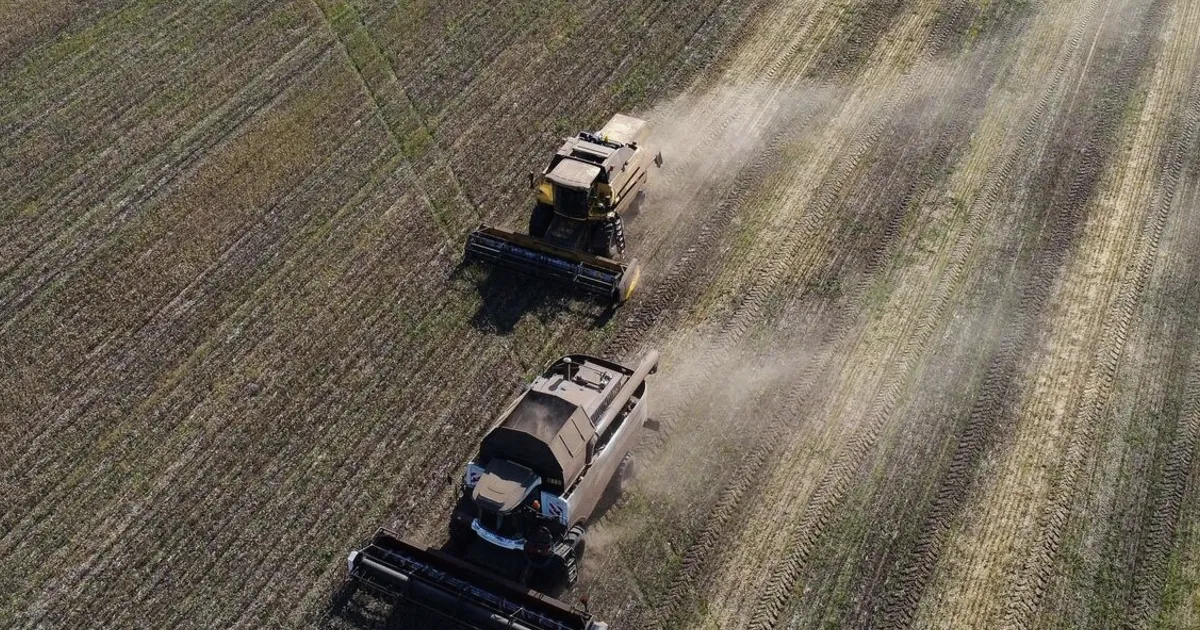
Russian spring wheat planting continues to lag behind schedule as persistent rain hampers field work, raising the risk of a smaller harvest. The delays add to concerns over global wheat supply, which has already been under pressure from dry conditions in other major exporting regions such as the United States and Australia. Spring wheat, which is planted after the winter freeze and harvested in late summer, accounts for a significant portion of Russia's total wheat output, and any shortfall could have ripple effects across global grain markets.
For commodities traders, the planting delays in Russia — the world's largest wheat exporter — are a key supply-side risk. If wet weather persists, farmers may switch to alternative crops like sunflowers or abandon acreage altogether, reducing the area available for harvest. This could tighten global wheat inventories and support prices, especially if demand remains steady from key importers. Live commodities prices and charts on NowPrice show how the market is reacting to the latest weather developments, with wheat futures already showing increased volatility as traders price in potential supply disruptions.
Traders will watch weather forecasts for the Black Sea region in the coming weeks, as well as official Russian crop estimates from agencies like SovEcon and the Russian Ministry of Agriculture. Any further deterioration in planting progress could trigger a rally in wheat futures, while a return to drier conditions would ease supply concerns and potentially cap price gains. The market is also monitoring export policies, including any potential export taxes or quotas that Russia might impose to protect domestic supplies, as well as demand from major importers such as Egypt and Turkey, which are among the top buyers of Russian wheat.