




White House Reviews CFTC Plan to Supervise Prediction Markets
The White House is reviewing a CFTC proposal to set guidelines for event contracts, marking the agency's latest effort to assert oversight over the rapidly growing prediction market industry.
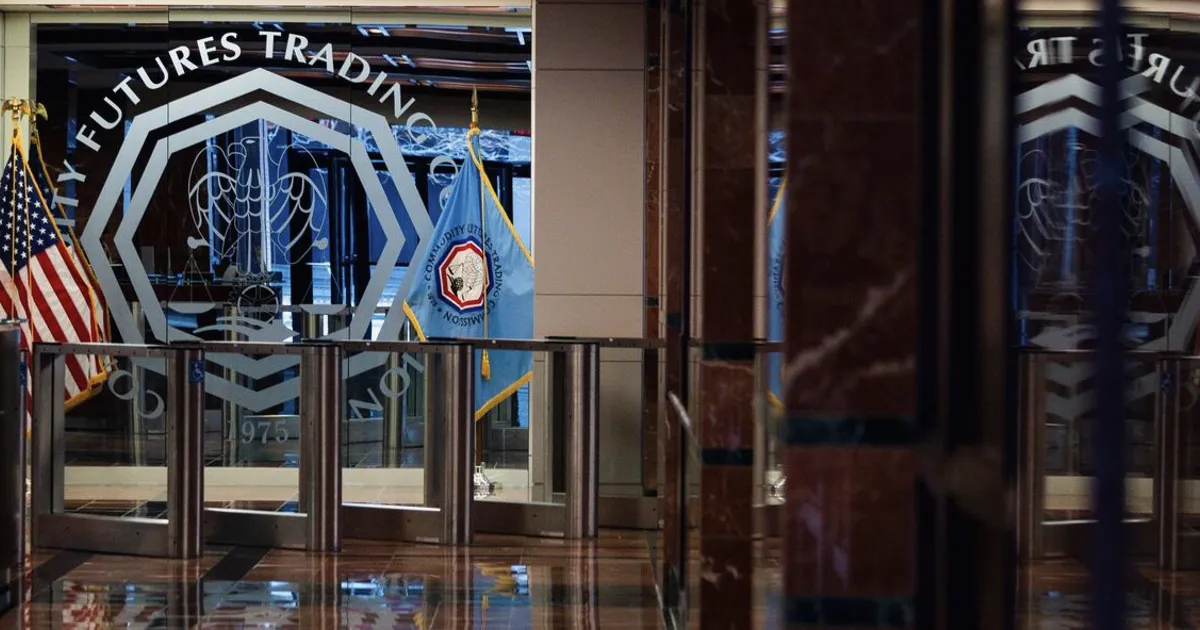
The White House is reviewing a new proposal from the Commodity Futures Trading Commission (CFTC) that would establish guidelines for event contracts, the agency's latest move to assert its authority over the rapidly expanding prediction market industry. The proposal, which has been under development for months, aims to clarify the regulatory framework for event contracts, which allow traders to bet on outcomes such as elections, sports results, or economic data releases. These contracts have gained significant popularity on platforms like PredictIt and Kalshi, drawing attention from both retail and institutional investors. The CFTC has been locked in a jurisdictional battle with states over who should oversee these markets, which have grown exponentially in recent years, with some estimates suggesting the global prediction market could be worth hundreds of billions of dollars. By setting clear rules, the agency hopes to prevent fraud and manipulation while fostering innovation. For traders, this regulatory clarity could reduce uncertainty and potentially open the door to more institutional participation in prediction markets, as well as encourage the development of new products that could be used for hedging or speculative purposes.
Market participants should watch for the White House's feedback and any subsequent revisions to the proposal. The outcome could set a precedent for how similar financial innovations are regulated in the future, particularly as the line between gambling and investing becomes increasingly blurred. Additionally, the CFTC's stance may influence the development of related products, such as event-linked derivatives, which could have broader implications for risk management and speculative trading. For example, if the CFTC approves certain event contracts, it could pave the way for more sophisticated instruments that allow investors to hedge against political or economic risks. Conversely, a restrictive approach could push these markets offshore or into unregulated spaces, potentially increasing risks for participants. The White House review is a critical step in determining the future of this nascent industry, and its decision will be closely watched by regulators, market participants, and policymakers alike.