




AI Boom Drives Global Energy Land Rush for Power-Hungry Data Centers
The AI revolution's most critical resource is no longer chips but reliable, high-voltage electricity, sparking an unprecedented global competition among tech giants for power-hungry data centers.
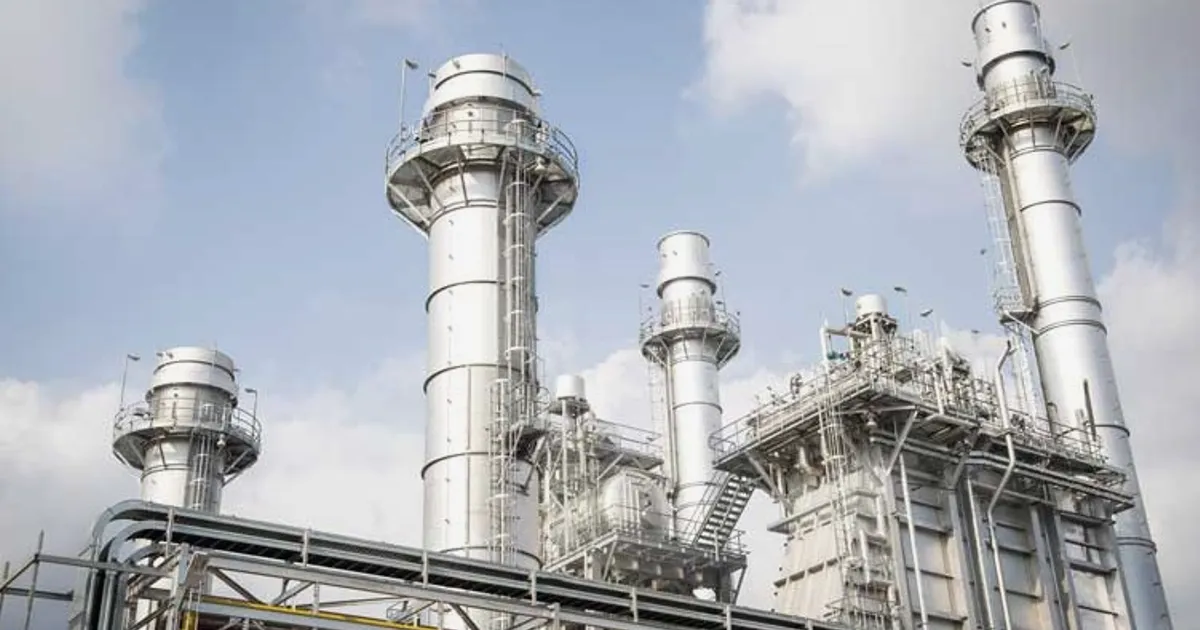
The most expensive, in-demand commodity in the $3 trillion AI revolution is no longer a patented algorithm or a new Nvidia GPU. It is a secure, high-voltage connection to the electrical grid that can deliver $100-500 million worth of power to a new data center. The largest, richest companies on Earth—Google, Microsoft, Amazon—are in an unprecedented global land rush for energy, competing with small cities, massive manufacturing plants, and each other. Training the next generation of AI models can consume the power equivalent of small nations, and these companies are desperate, willing to pay a premium for access.
For energy commodities traders, this shift is a structural demand driver that reshapes long-term outlooks for natural gas, coal, and renewable power sources. Data centers require baseload electricity, often 24/7, which favors natural gas as a reliable bridge fuel alongside renewables. The competition for grid connections is driving up power purchase agreement (PPA) prices and tightening regional electricity markets, particularly in areas with limited transmission capacity. This could lead to higher natural gas demand and potentially support prices, while also accelerating investments in renewable energy projects to meet corporate sustainability goals. For traders, monitoring data center construction pipelines and utility-scale power procurement deals is becoming as important as traditional supply-demand fundamentals.
Looking ahead, the key question is how quickly grid infrastructure can expand to meet this demand. Regulatory bottlenecks, permitting delays, and supply chain constraints for transformers and high-voltage equipment could slow new data center connections, creating a bottleneck that may push companies toward on-site generation or long-term PPAs with existing plants. The upcoming US election and policy decisions on carbon pricing and grid modernization will also influence the pace and fuel mix of this energy buildout. Traders should watch for announcements from utilities and independent power producers regarding new gas-fired or renewable capacity tied to data center contracts, as these will signal the next phase of the AI-energy nexus.