




Chinese Energy Firm Huachen Plans New Bond Restructuring After Payment Delay
Huachen Energy Co., a Chinese power producer, plans to propose a fresh bond restructuring to investors as early as August after a payment delay, aiming to ease liquidity pressure.
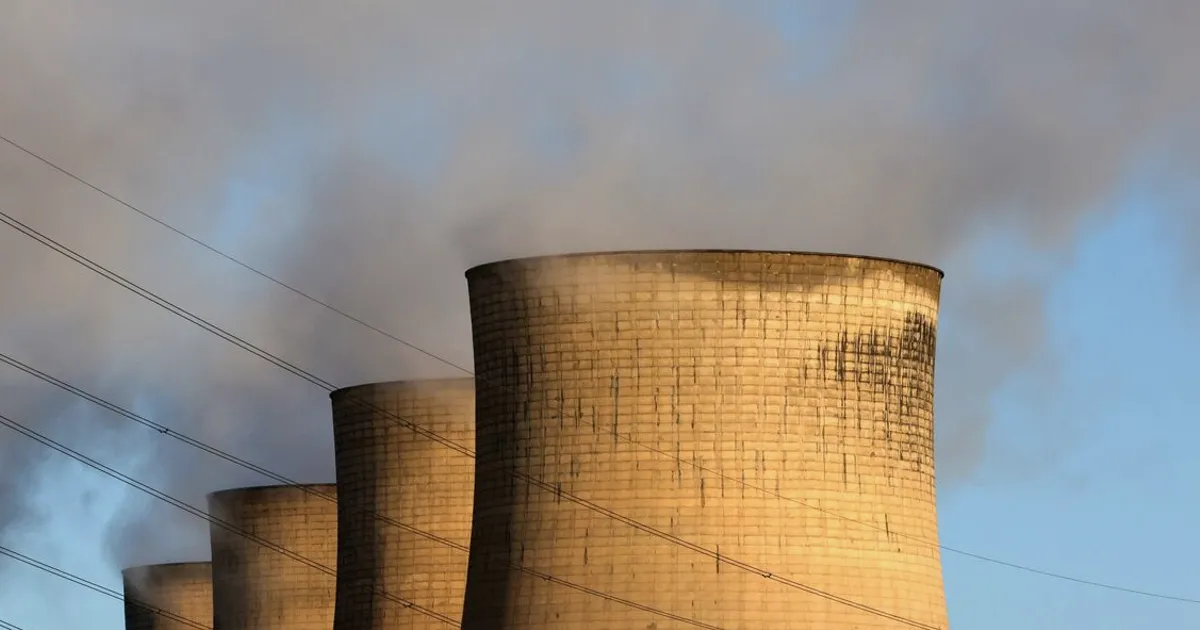
Huachen Energy Co., a Chinese power producer, is preparing a fresh proposal to restructure its bonds, including $627 million in dollar-denominated notes, after a payment delay heightened liquidity concerns. The company plans to present the plan to investors as early as August, according to people familiar with the matter.
For energy traders, the move signals ongoing financial stress in China's power sector, which could affect supply chains and fuel demand. While Huachen's restructuring is a company-specific event, it reflects broader challenges in the Chinese energy market, where tight credit conditions and regulatory shifts have pressured smaller players. This comes as China's marginal demand for crude and natural gas remains a key driver of global energy prices, with any slowdown in industrial activity potentially weighing on the Brent-WTI spread and refining margins. The crack spread—the difference between crude oil and refined product prices—could narrow if Chinese power plants reduce operations, lowering demand for diesel and fuel oil used in backup generation. Meanwhile, OPEC+ spare capacity, estimated at over 4 million barrels per day, provides a buffer against supply disruptions, but the market remains sensitive to demand-side shocks from China. The US Strategic Petroleum Reserve (SPR) stands at around 375 million barrels, offering additional insurance against price spikes, though sustained weakness in Chinese demand could push crude into contango, incentivizing storage. Live fuel prices and charts on NowPrice show how such corporate distress can influence regional energy pricing and risk premiums.
Investors will watch for the specific terms of the restructuring proposal, including potential haircuts or maturity extensions. The outcome may set a precedent for other Chinese energy firms facing similar liquidity issues. Market participants should also monitor any ripple effects on coal and natural gas markets, as Huachen's operations are tied to power generation. Additionally, the dynamics of Saudi-Russia coordination within OPEC+ will be crucial; if Chinese demand falters, the alliance may need to adjust production quotas to prevent a glut. A shift from backwardation to contango in the futures curve would signal oversupply, while any recovery in China's industrial output could quickly tighten markets given the limited spare capacity outside OPEC+. Traders should also track China's coal imports and LNG purchases, as Huachen's distress might reduce its offtake, freeing up cargoes for other buyers in Asia.