




AI Power Crisis Drives Tenfold Surge in Fuel Cell Market to $30B by 2030
Rystad Energy forecasts a tenfold increase in fuel cell market revenues to $30 billion by 2030, driven by AI data center demand for on-site power generation.
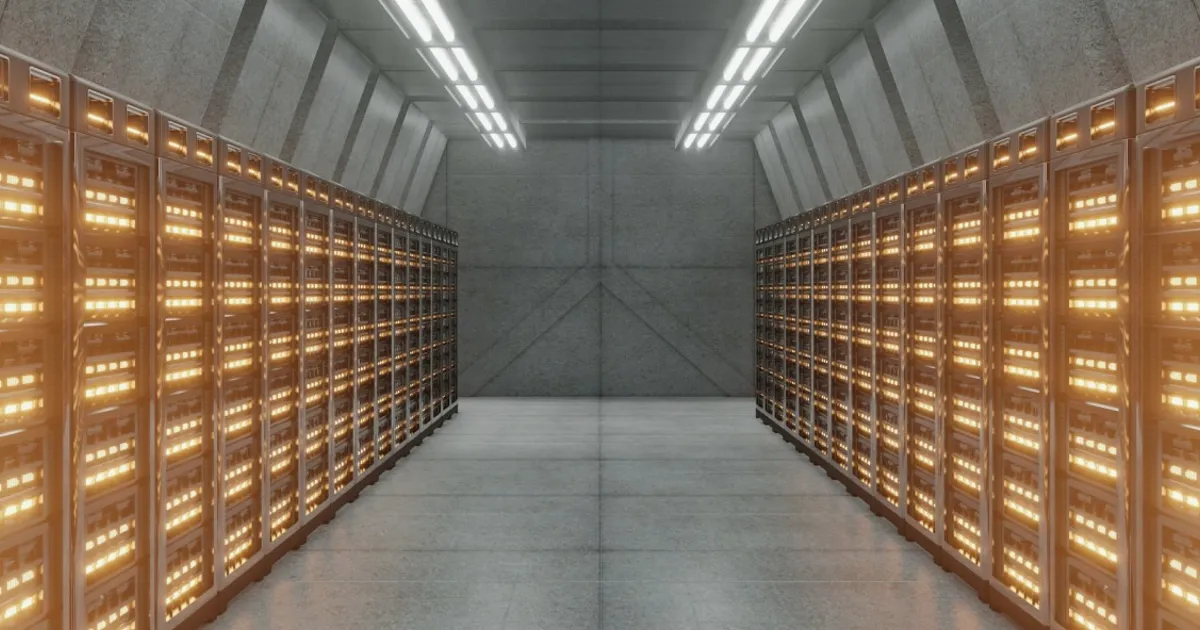
The AI boom is reshaping energy markets, with data center developers turning to on-site fuel cells as a solution to grid congestion. Rystad Energy projects that fuel cell market revenues will surge from $2.8 billion in 2025 to $30 billion by 2030, a tenfold increase driven by the insatiable power needs of artificial intelligence computing. The research firm reports a contracted order book of approximately 9 gigawatts (GW), including framework agreements with major players like Oracle, AEP, Equinix, and Brookfield.
For energy commodity traders, this shift represents a significant new demand source for natural gas, the primary feedstock for most fuel cells. Fuel cells convert natural gas into electricity with high efficiency and lower emissions than traditional gas-fired power plants, making them attractive for data centers seeking reliable, low-carbon power. As AI computing demand grows, the fuel cell market could tighten natural gas supply and support prices, particularly in regions with high data center concentration. Traders should monitor fuel cell deployment rates and natural gas consumption trends, as they may impact gas balances and storage levels.
Looking ahead, the key catalysts include policy support for clean energy, technological advancements in fuel cell efficiency, and the pace of data center construction. The 9 GW order book suggests strong near-term momentum, but execution risks remain. Traders should watch for quarterly updates from Rystad and other consultancies on fuel cell installations, as well as any shifts in natural gas prices that could affect fuel cell economics. The intersection of AI, energy, and technology will continue to drive volatility and opportunity in the fuel markets.