




Senator Armstrong: Permitting Reform Key to Lower Energy Costs
Senator Alan Armstrong argues that permitting reform, not federal spending, is the most effective way to lower housing and energy costs by addressing regulatory delays that create infrastructure bottlenecks.
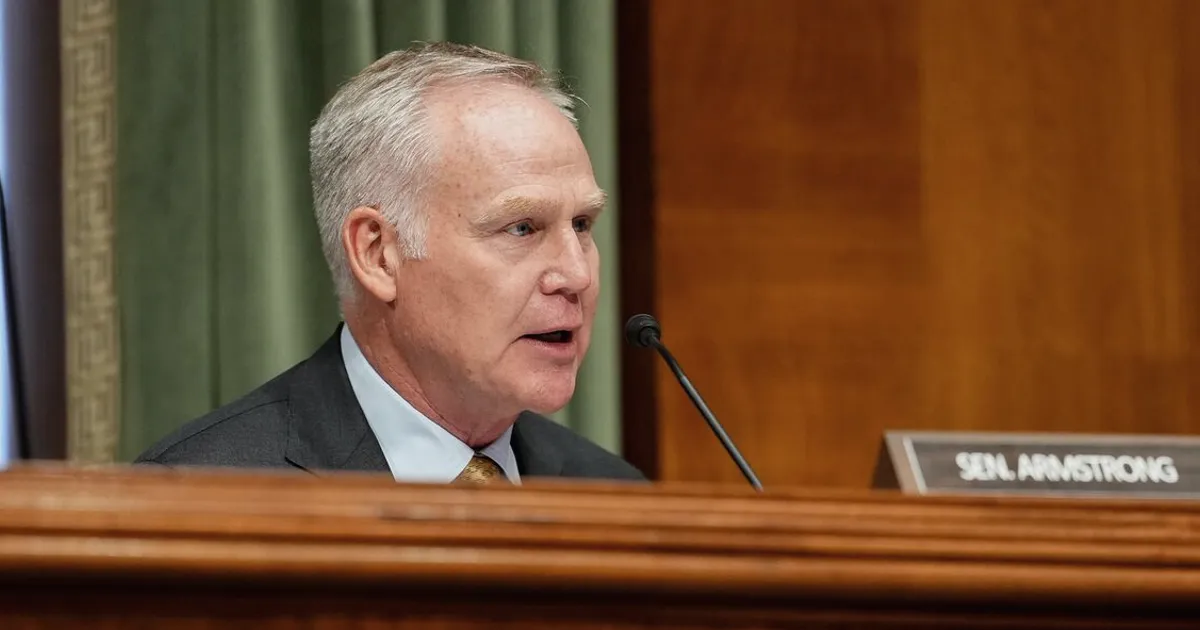
Senator Alan Armstrong (R-Oklahoma) stated on Bloomberg This Weekend that permitting reform—not additional federal spending—is the most effective way to lower housing and energy costs. He argued that regulatory delays have created infrastructure bottlenecks that drive up prices for consumers. The senator's comments come amid a broader political debate over energy policy, where Republicans have pushed for streamlined approvals for pipelines, LNG export terminals, and drilling permits, while Democrats have emphasized climate goals and environmental reviews.
For energy commodities traders, this debate matters because permitting reform directly affects the speed at which new oil and gas production, pipelines, and export facilities can come online. The current regulatory environment has been cited as a factor limiting supply growth in the US, which influences global crude and natural gas prices. In the context of OPEC+ spare capacity hovering around 5-6 million barrels per day and a Brent-WTI spread that has narrowed on rising US output, any acceleration in domestic infrastructure could widen the spread again by boosting US export capacity. Moreover, the US Strategic Petroleum Reserve (SPR) remains at historically low levels after last year's releases, making new production more critical for energy security. Crack spreads—the refining margin between crude oil and petroleum products—have been volatile, and faster pipeline approvals could ease bottlenecks that have occasionally squeezed gasoline and diesel supplies. China's marginal demand growth, while slowing, still absorbs a significant share of global crude, and US export capacity expansions could help meet that demand more efficiently. Saudi-Russia coordination within OPEC+ has kept a floor under prices, but faster US supply growth could challenge their market share. Traders can monitor how this policy discussion evolves, as any legislative progress could signal faster infrastructure development and potential shifts in supply dynamics, possibly moving the market from backwardation toward contango if supply expectations rise.
Looking ahead, the key question is whether permitting reform legislation can gain bipartisan support in Congress. Market participants will watch for any concrete proposals or votes, as well as reactions from energy companies and environmental groups. The outcome could have implications for US energy production capacity and, by extension, global energy prices. If reform passes, it could shorten project timelines from years to months, boosting US output and potentially lowering global prices. Conversely, failure to act may keep supply constraints in place, supporting higher prices. Traders should also monitor state-level permitting changes, as some states have moved independently to expedite approvals.