




Aker BP Gains 2.2 Million Barrels From Tiny Stake Increase in Johan Sverdrup
Aker BP will receive an additional 2.2 million barrels of oil equivalent from the Johan Sverdrup field after a redetermination process raised its ownership stake by just 0.143 percentage points.
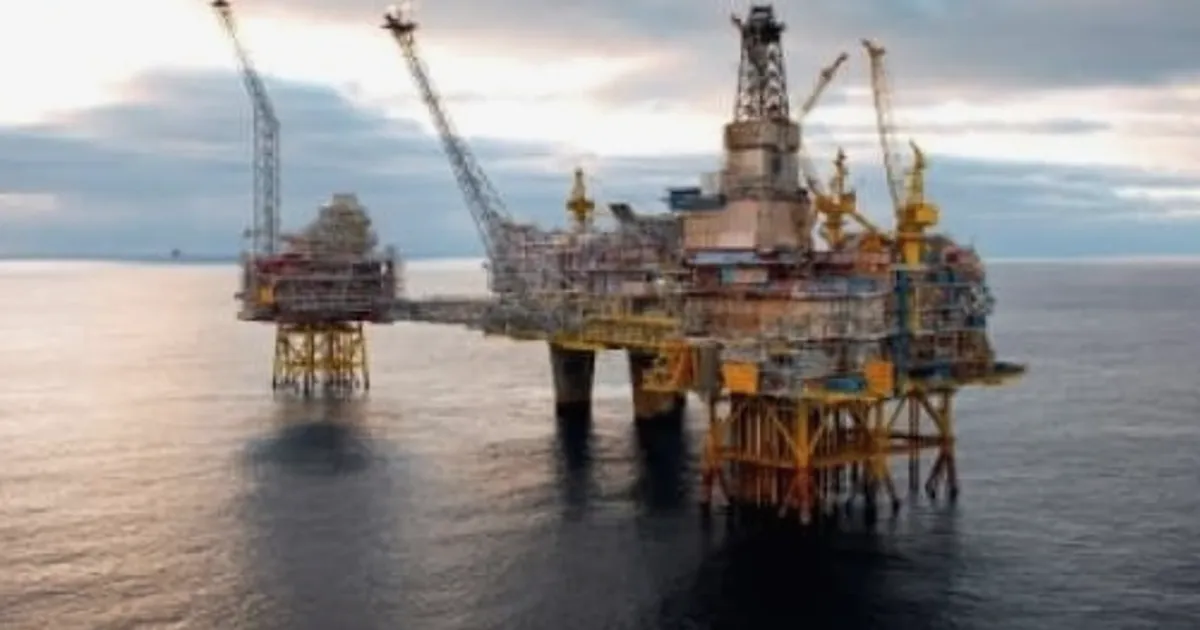
Aker BP will receive an additional 2.2 million barrels of oil equivalent from the Johan Sverdrup field after a redetermination process slightly increased its ownership stake.
The adjustment raises Aker BP's interest in Johan Sverdrup to 31.7163% from 31.5733%, a change of just 0.143 percentage points. Under the revised ownership structure, the company will receive an extra 2.2 million barrels over the next two years through a reallocation of historical production. Aker BP will also make a corresponding payment to the other partners, though the exact amount was not disclosed. This redetermination is a routine process in joint ventures where partners periodically adjust stakes based on actual reservoir performance and costs.
For oil and gas traders, the Johan Sverdrup field is one of the largest producing fields on the Norwegian Continental Shelf, with a capacity of around 755,000 barrels per day. Even a small ownership change can translate into significant volumes over time. This adjustment adds to Aker BP's production profile without any additional capital expenditure, which is positive for the company's cash flow. Traders tracking North Sea supply should note that such redeterminations can occasionally lead to short-term shifts in production entitlements, but the overall impact on global oil markets is minimal. For current pricing context, check NowPrice's fuel page.
Looking ahead, the redetermination process for Johan Sverdrup is expected to continue periodically, with the next review likely in 2027. Aker BP's increased stake reinforces its position as a key operator in the region. Investors will watch for any further adjustments that could affect the company's production guidance and dividend capacity. The broader market will also monitor Norwegian oil output as part of the global supply picture, especially given OPEC+ production constraints and geopolitical uncertainties.