




Texas' Buda Limestone Oil Play Nears Depletion After Century of Output
The Buda Limestone formation beneath the Eagle Ford shale in Texas is nearly depleted, with only 12 million barrels of oil and 184 billion cubic feet of gas remaining after nearly a century of production.
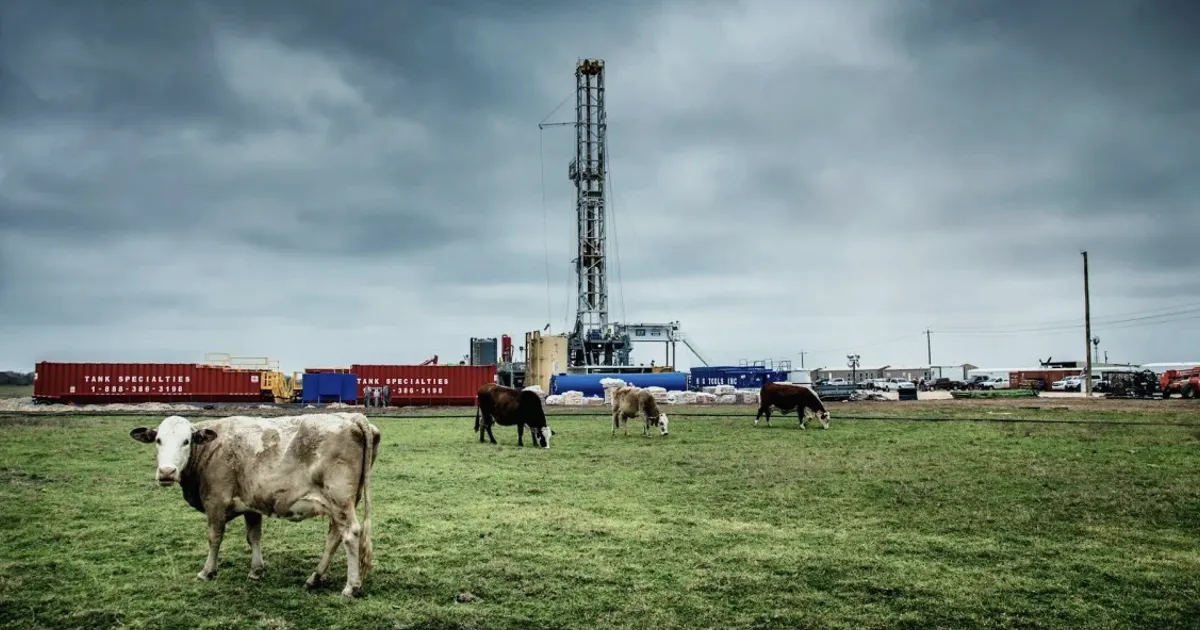
The Buda Limestone formation, a nearly century-old oil and gas play beneath the Eagle Ford shale in Texas, is running dry. The U.S. Geological Survey (USGS) this week estimated that technically recoverable resources in the formation stand at just 12 million barrels of oil and 184 billion cubic feet of natural gas, a fraction of what has been produced since the 1930s.
For energy commodity traders, the depletion of a mature basin like Buda Limestone underscores the long-term supply constraints facing U.S. oil and gas production. While the Eagle Ford shale itself has maintained remarkably consistent crude output and rising gas volumes in recent years, the exhaustion of deeper conventional reservoirs reduces the overall resource base. This dynamic supports a tighter supply outlook, particularly for natural gas, as the Permian Basin and other plays become increasingly critical to meeting domestic demand. Traders can monitor real-time price moves for WTI crude and Henry Hub natural gas on NowPrice's live fuel dashboard.
Looking ahead, the USGS assessment highlights the need for continued investment in exploration and enhanced recovery techniques to offset natural depletion in mature fields. Market participants will watch for any impact on regional production profiles, especially as the Eagle Ford's deeper zones become less viable. The data also reinforces the importance of the Permian Basin as the primary driver of U.S. output growth in the coming years.