




Algeria's Gas Advantage Is Real, but Production Problems Persist
Algeria's 2026 hydrocarbon bidding round arrives amid high gas prices and Europe's search for non-Russian supply, but aging infrastructure and declining output threaten its ambitions.
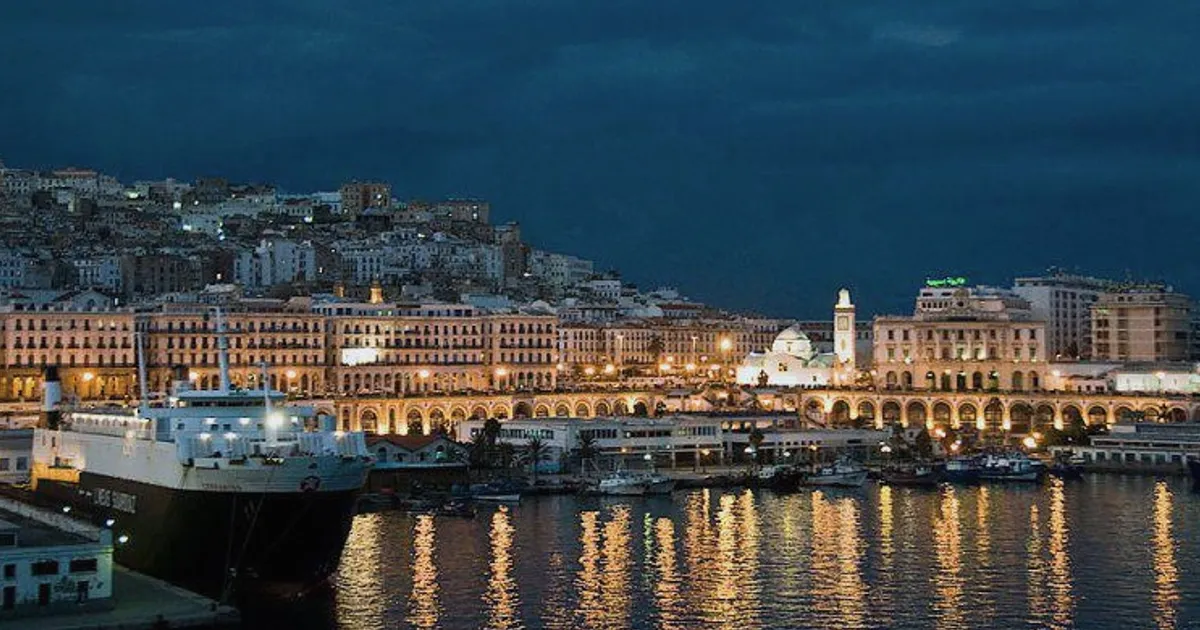
Algeria's 2026 hydrocarbon bidding round is arriving at a moment when timing may matter as much as geology. Oil and gas prices have been lifted by the prolonged Middle Eastern crisis, Europe is still trying to hardwire non-Russian gas into its supply system, and former Middle Eastern investors are reassessing where long-cycle upstream capital can be redirected without excessive security risk. For Algiers, this creates a sudden opening to cement its position as Europe's second-largest natural gas supplier but also exposes the scale of the challenge.
Algeria's gas advantage is real. Its proximity to Europe, existing pipeline infrastructure, and relatively low production costs make it a natural alternative to Russian gas. However, the country's production problems are equally real. Aging fields, underinvestment, and bureaucratic hurdles have caused output to stagnate or decline in recent years. The 2026 bidding round aims to attract international oil companies to explore new acreage and boost production, but the terms must be competitive enough to overcome Algeria's reputation for difficult contract negotiations and slow project approvals.
For energy traders, Algeria's situation matters because it affects the global gas supply balance. If Algeria can ramp up production, it could ease Europe's supply crunch and put downward pressure on prices. Conversely, if production continues to falter, Europe will remain more dependent on LNG imports from the US and Qatar, keeping prices elevated. The bidding round results, expected later this year, will be a key signal. Traders should also watch for any changes in Algeria's fiscal terms or regulatory environment that could accelerate or delay investment decisions.