




Asia's Crude Buying Spree Loses Steam on Freight Costs, Strait Risks
Asian refiners have cut spot purchases of Middle East crude for June and July after a three-week buying spree, as high freight costs and Strait of Hormuz uncertainties dampen demand.
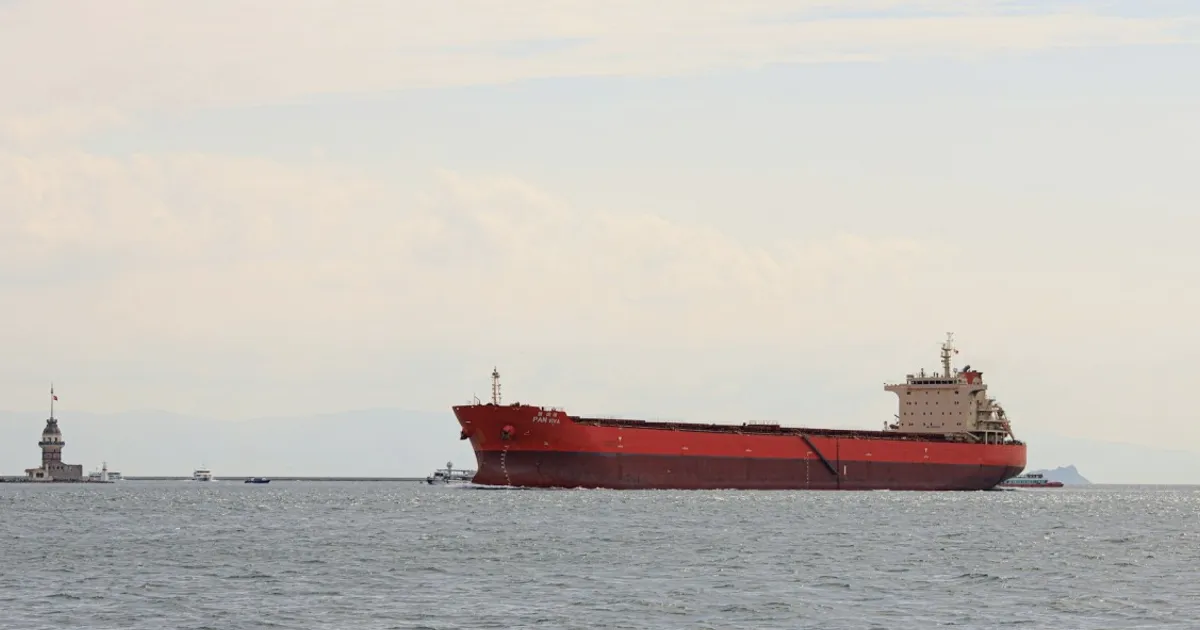
Asian refiners have scaled back spot purchases of Middle East crude for loading this month and next, ending a three-week buying spree that saw millions of barrels of Abu Dhabi, Saudi, and Iraqi crude snapped up. The pullback comes as lingering uncertainties about the navigability of the Strait of Hormuz and elevated freight costs deter buyers. The strait, a critical chokepoint for global oil shipments through which about 20% of the world's oil passes, has seen heightened geopolitical tensions following recent naval incidents. Shipping rates remain high due to tight vessel availability and longer voyage routes, as some tankers avoid the region. This shift in Asian demand is a key signal for energy traders: the region's appetite for crude directly influences global benchmark prices and the Brent-Dubai spread, which has narrowed as Middle East grades lose their premium. Traders can monitor these price moves in real time on NowPrice's live fuel dashboard.
The pullback matters because it reflects broader market dynamics that could reshape crude flows. Asian refiners, particularly in China and India, are the marginal buyers of seaborne crude, and their reduced spot buying suggests that high freight costs and geopolitical risk are outweighing the need to secure supply. This comes as OPEC+ spare capacity remains ample, with Saudi Arabia and Russia coordinating to keep output steady, while the US Strategic Petroleum Reserve stands at its lowest level in decades after last year's releases. The crack spread—the profit margin for turning crude into refined products—has weakened in Asia due to slower industrial demand and ample product inventories, further discouraging crude purchases. If the buying spree remains subdued, it could weigh on Middle East crude premiums and widen the contango structure, where futures prices exceed spot prices, encouraging storage plays. Conversely, a return to backwardation would signal tightening supply.
Looking ahead, market participants will watch for any resolution of Strait of Hormuz tensions and whether freight costs ease. Data on Asian refinery runs and upcoming OPEC+ supply decisions will also be critical in determining the next direction for crude prices. If the buying spree remains subdued, it could weigh on Middle East crude premiums and widen the contango structure, encouraging storage plays. Traders should also monitor the Brent-WTI spread, which has widened as US crude exports rise, and the potential for China to increase crude imports if its economy shows signs of recovery. Any shift in Saudi-Russia coordination, such as a surprise output increase, could further pressure prices. NowPrice's live fuel dashboard provides real-time tracking of these key indicators, helping traders navigate the evolving market.