




Asia's Energy Lessons from Iran Crisis: Diversify Supply and Power Mix
After months of conflict in the Persian Gulf, energy-importing Asian nations are accelerating efforts to build larger strategic reserves, secure alternative fossil-fuel suppliers, and expand renewable energy capacity to reduce vulnerability.
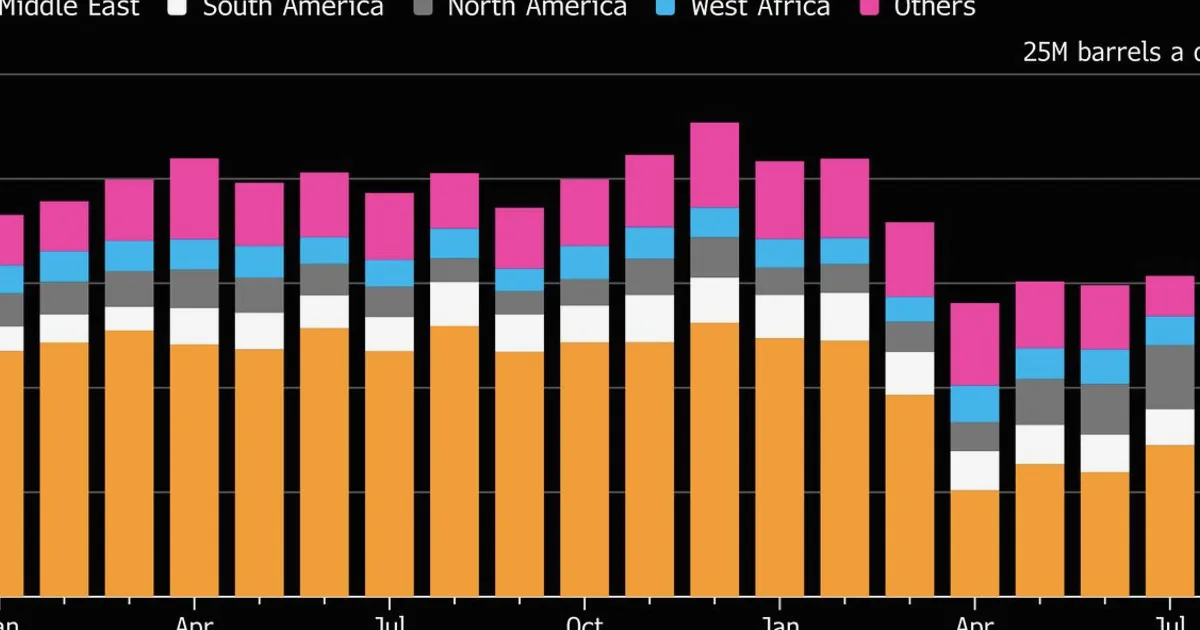
Asia's energy-importing nations are drawing critical lessons from the prolonged Iran crisis, pushing for larger strategic buffers, diversified fossil-fuel suppliers, and a more balanced power mix to shield their economies from future supply shocks.
Even as no lasting peace deal has been reached in the Persian Gulf after four months of conflict, governments across Asia — from Japan and South Korea to India and Southeast Asia — are reassessing their energy security frameworks. The crisis has exposed the risks of over-reliance on a single chokepoint, the Strait of Hormuz, through which a significant share of Asia's oil and LNG imports transit. In response, countries are accelerating the build-out of strategic petroleum reserves, signing long-term supply deals with producers outside the Middle East, and fast-tracking renewable energy projects. For fuel traders, these shifts signal a structural change in demand patterns: Asia's marginal buying behavior may become more price-sensitive as diversification reduces urgency, but the overall volume of imports is likely to remain high as economies grow.
For energy commodity markets, the implications are twofold. First, the push for diversified supply sources could alter traditional trade flows, potentially widening the Brent-Dubai spread or creating new regional pricing benchmarks. Second, the accelerated adoption of renewables and nuclear power in Asia may cap long-term oil and gas demand growth, even as near-term imports stay elevated. Traders tracking live fuel prices on NowPrice can observe how these structural shifts are already influencing spot premiums and term contract negotiations. The key question for the months ahead is whether Asia's diversification drive will be enough to insulate it from the next geopolitical disruption, or whether the region's growing energy appetite will keep it tethered to the Persian Gulf for years to come.