




Australia Gas Export Empire Faces Backlash as Windfall Fuels Anger
Australia's LNG exporters face a public backlash despite a A$20 billion windfall from Middle East conflict, as rising domestic prices anger consumers.
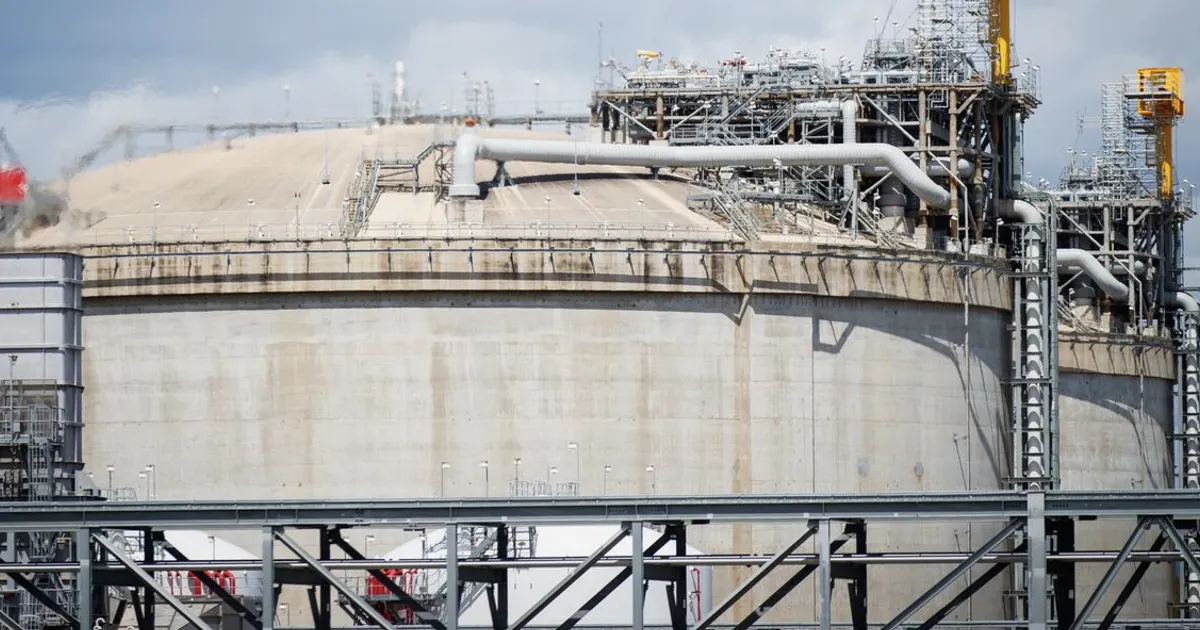
Australia's liquefied natural gas (LNG) exporters are facing a growing public backlash, even as they reap a A$20 billion ($14 billion) windfall from higher global prices driven by the Middle East conflict. The surge in export revenues has not translated into lower domestic prices, angering Australian households and businesses.
The disconnect between export profits and domestic energy costs has become a flashpoint. Australia is one of the world's largest LNG exporters, but its domestic gas prices are tied to global benchmarks. The windfall from the Middle East crisis has widened the gap between what exporters earn overseas and what local consumers pay. This has sparked calls for government intervention, including export controls or a windfall profits tax. For energy traders, the situation highlights the risks of relying on global price linkages in a region with limited domestic competition.
The backlash is likely to intensify as winter demand peaks in the southern hemisphere. The Australian government faces pressure to balance export revenues against domestic affordability. Any policy response, such as diverting more gas to the domestic market, could impact global LNG supply and prices. Traders should monitor Australian policy developments closely, as they may affect the broader LNG market dynamics.