




World's 65 Biggest Banks Pumped $906 Billion Into Fossil Fuels in 2025
The world's 65 largest banks increased fossil fuel financing by 8% in 2025 to $906 billion, driven by climate policy rollbacks at U.S. and Japanese banks.
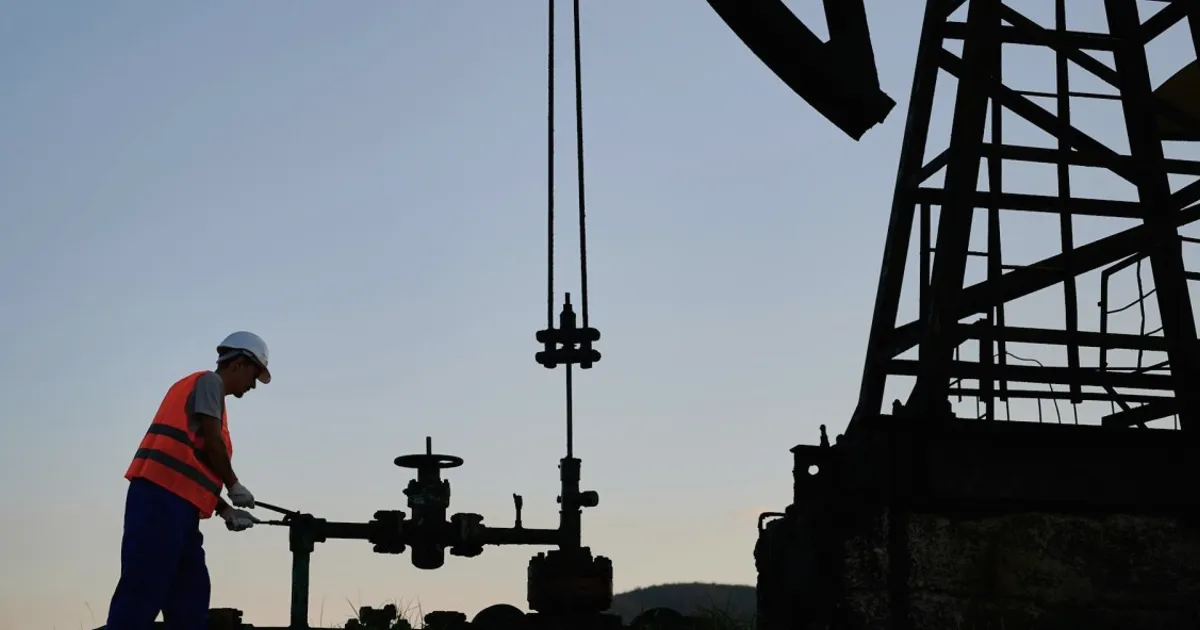
The world's 65 largest banks funneled $906 billion into fossil fuel companies in 2025, an 8% increase from the previous year, according to the annual Banking on Climate Chaos report. This marks a reversal from modest declines in 2023 and 2024, driven by aggressive climate policy rollbacks in the U.S. and Japan that weakened earlier commitments. Since the 2015 Paris Agreement, these institutions have collectively poured $8.7 trillion into oil, natural gas, and coal operations, with U.S. banks—JPMorgan Chase, Citigroup, and Bank of America—leading the charge. The report notes that despite global pledges to transition to cleaner energy, major financial institutions continue to back fossil fuel expansion, particularly in liquefied natural gas (LNG) and deepwater drilling projects.
For oil and gas traders, this sustained financing signals continued upstream investment, which could support supply growth in the medium term, potentially easing tight markets. However, it also underscores the tension between climate goals and energy security. OPEC+ spare capacity remains around 4-5 million barrels per day, mostly in Saudi Arabia and the UAE, but these funds could accelerate non-OPEC production in the U.S. and Brazil. The Brent-WTI spread has narrowed to near $3 per barrel as U.S. output rises, while crack spreads for gasoline and diesel remain elevated due to refinery constraints. The U.S. Strategic Petroleum Reserve stands at roughly 375 million barrels, down from 638 million in 2020, limiting emergency buffers. China's marginal demand growth has slowed to 200,000 bpd, shifting focus to India and Southeast Asia. Saudi-Russia coordination under OPEC+ remains intact, but increased financing could embolden U.S. shale producers to boost output, testing the alliance's discipline. NowPrice live fuel prices and charts show how market participants are pricing in these dynamics, with crude futures in backwardation reflecting near-term tightness.
Traders should monitor upcoming climate policy developments and bank shareholder meetings, as further rollbacks could accelerate fossil fuel lending, while renewed regulatory pressure might curb it. Key events include the U.S. presidential election, which could shift climate policy, and the COP30 summit in Brazil, where financing commitments will be scrutinized. The contango structure in some refined products suggests potential storage plays, while crude backwardation favors prompt delivery. Watch for shifts in bank lending policies, particularly at Japanese banks like MUFG and Mizuho, which have increased fossil fuel financing by 20% in 2025. Any sudden regulatory tightening in the EU or U.S. could trigger a pullback, while continued rollouts of carbon border taxes may reshape trade flows. The interplay between bank financing, OPEC+ strategy, and demand trends will define oil price trajectories through 2026.