




China Factory Activity Beats Forecasts as Exports Surge
China's official manufacturing PMI rose to 50.3 in June, beating forecasts, as booming exports boosted factory activity and signaled sustained energy demand.
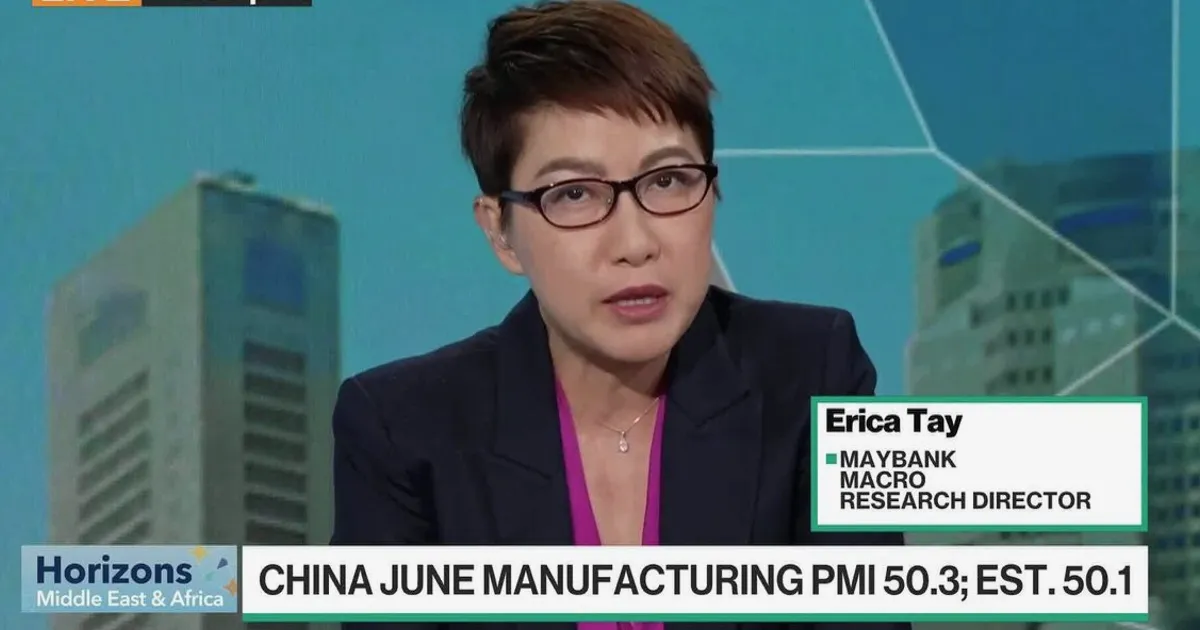
China's factory activity expanded more than expected in June, driven by a surge in exports, according to official data released Tuesday. The manufacturing purchasing managers' index (PMI) rose to 50.3 from 50.1 in May, beating the median forecast of 50.1 in a Bloomberg survey. The non-manufacturing PMI, covering construction and services, edged up to 50.2 from 50.1, indicating steady growth in the broader economy. This marks the eighth consecutive month of expansion in manufacturing, underscoring the sector's resilience despite headwinds from a prolonged property downturn and subdued domestic demand. The export orders sub-index climbed to its highest level in over two years, signaling robust external demand that has helped offset weakness at home.
The better-than-expected data underscores the resilience of China's industrial sector amid global trade tensions and a sluggish domestic property market. Booming exports have been a key driver, as manufacturers ramp up production to meet overseas demand. For energy markets, stronger factory activity typically translates into higher oil and gas consumption, supporting prices. China's crude oil imports have already been trending higher, and a sustained PMI above 50 could further tighten global supply-demand balances, especially given OPEC+'s ongoing production cuts and limited spare capacity. The Brent-WTI spread has widened recently, reflecting geopolitical risk premiums, while US Strategic Petroleum Reserve levels remain near four-decade lows, limiting Washington's ability to intervene in case of supply disruptions. Refinery margins, as measured by crack spreads, have also firmed on expectations of stronger Chinese demand, though the contango structure in crude futures suggests near-term oversupply concerns persist. Traders can track real-time fuel price movements on NowPrice's live dashboard to gauge market reactions.
Looking ahead, investors will focus on upcoming trade data and any further stimulus measures from Beijing. The sustainability of the export-led recovery remains a key question, especially as geopolitical risks and potential tariff changes could alter the outlook. The PMI readings also set the stage for China's second-quarter GDP report, due later this month. If exports continue to outperform, China's marginal demand for crude could provide a floor under oil prices, even as Saudi Arabia and Russia coordinate to maintain market discipline. However, any signs of weakening in global trade or a shift toward backwardation in futures curves would signal that the recovery is fragile. Market participants will also watch for policy signals from the upcoming Third Plenum, where Beijing may unveil additional support for consumption and infrastructure to sustain momentum.