




Courts and Congress Push Back Against Trump's Wind Power Crackdown
Federal courts and lawmakers are pushing back against Trump administration efforts to halt offshore wind projects, signaling continued legal and political support for the sector.
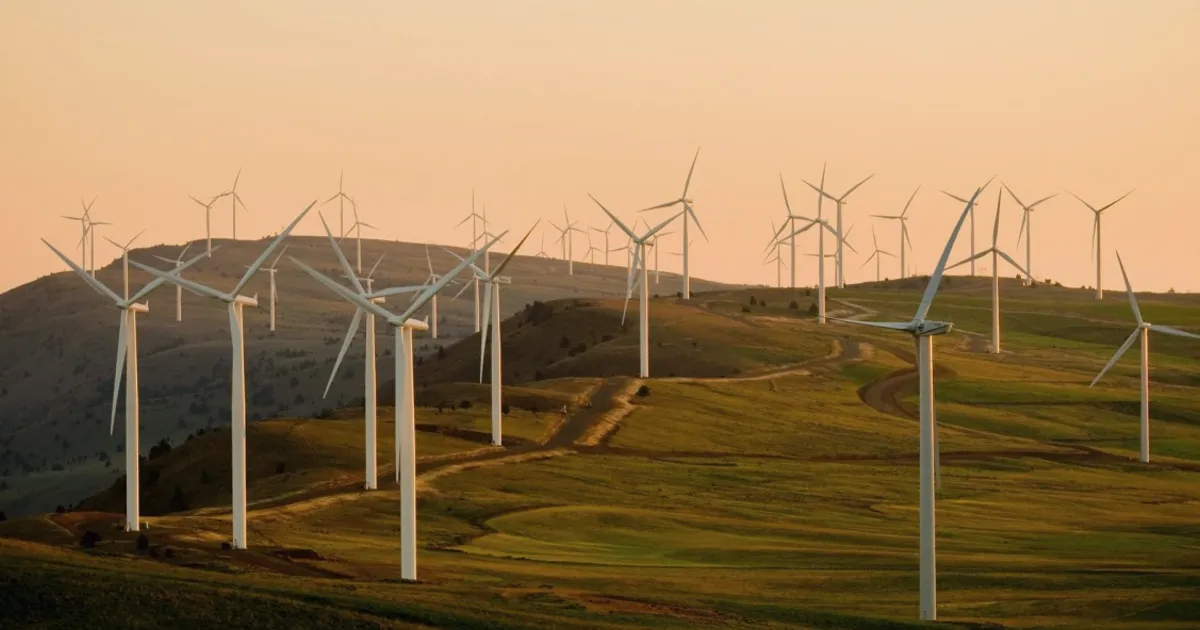
Federal courts and Congress are pushing back against the Trump administration's efforts to roll back offshore wind energy development, creating a complex legal and regulatory landscape for the sector.
The Trump administration has taken steps to halt or slow offshore wind projects, reversing policies from the Biden era that provided federal support and streamlined permitting. However, federal judges have issued rulings blocking some of these actions, citing procedural or environmental law violations. Meanwhile, bipartisan groups in Congress have introduced legislation to protect existing leases and funding for wind energy research, signaling that the political battle over wind power is far from over.
For energy traders and investors, the tug-of-war over offshore wind policy introduces uncertainty into the renewable energy market. While the administration's stance has weighed on wind energy stocks and project timelines, the judicial and legislative pushback suggests that legal challenges could delay or modify the crackdown. This dynamic affects not only wind developers but also the broader energy mix, as offshore wind is a key component of U.S. renewable energy targets. Live fuel prices and energy commodity charts on NowPrice show how policy shifts influence market sentiment across the sector.
Looking ahead, the key events to watch include upcoming court rulings on specific lease blocks and the fate of appropriations bills that fund wind energy programs. The 2026 midterm elections could also reshape the political calculus, as both parties vie for support from renewable energy advocates and fossil fuel interests. Traders should monitor regulatory announcements and legal filings for signals on the pace of offshore wind development, which will have implications for natural gas demand and electricity prices in coastal markets.