




Drone Attack Hits Oil Terminal in Russia's St. Petersburg
Ukrainian drone strikes targeted an oil terminal in St. Petersburg, Russia's second-largest city, threatening fuel supply infrastructure and raising geopolitical risk premiums in energy markets.
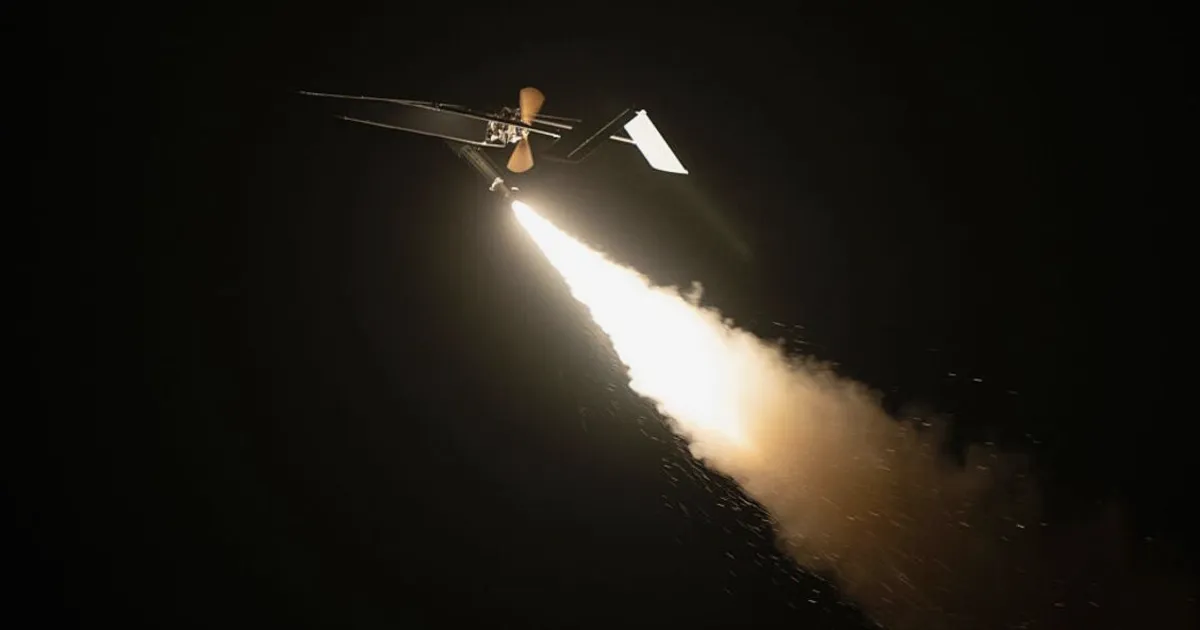
Ukrainian forces attacked an oil terminal in St. Petersburg, Russia's second largest city, with drones overnight, local officials said. The strike targeted critical fuel infrastructure in a major port city, escalating the conflict's direct impact on Russian energy assets. This terminal is part of a network handling crude and refined products for export via the Baltic Sea, a key route for Russian oil to global markets. The attack adds to a series of drone strikes on Russian refineries and storage facilities, which have disrupted processing capacity and export logistics.
The attack threatens a key node in Russia's fuel export chain. St. Petersburg is a major hub for oil product shipments, and any disruption to terminal operations could tighten regional fuel supplies. For energy traders, this event adds a geopolitical risk premium to crude and refined product prices, particularly for Urals crude and diesel exports from the Baltic. The Brent-WTI spread may widen as traders price in supply risks from Russia, while crack spreads—the margin between crude and refined products—could spike if diesel exports are affected. The US Strategic Petroleum Reserve remains at historically low levels, limiting the ability to buffer supply shocks. Meanwhile, OPEC+ spare capacity, largely held by Saudi Arabia and the UAE, could be deployed if disruptions persist, but coordination with Russia may complicate decisions. China's marginal demand, a key driver of global oil prices, remains subdued due to economic slowdown, but any supply disruption could still lift prices. Live fuel prices and charts on NowPrice show how the market is reacting to the heightened uncertainty.
Traders should monitor for any official statements on operational status and potential supply disruptions. The incident also raises the possibility of further strikes on Russian energy infrastructure, which could widen the Brent-WTI spread and increase volatility in refined product markets. Watch for any retaliatory measures that might affect global energy flows. Additionally, the market structure may shift: if supply fears persist, backwardation could steepen, while a quick recovery might lead to contango. Saudi-Russia coordination within OPEC+ will be crucial in determining output adjustments to stabilize prices. Any escalation could also impact tanker rates and insurance costs for Baltic Sea shipments, further tightening supply chains.