




ECB Officials Signal Iran Peace Not Enough to Fix Energy Shock
ECB officials signal that a US-Iran peace accord won't prevent further rate hikes, as the energy shock has already inflicted significant economic damage.
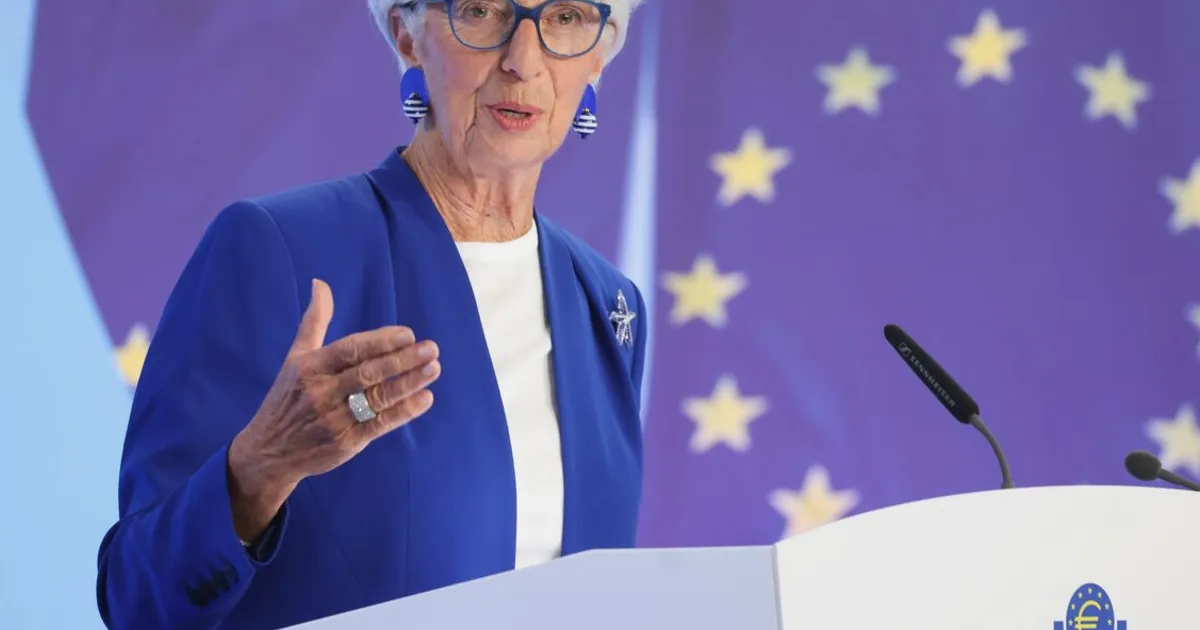
European Central Bank officials are signaling that a US-Iran peace accord won't necessarily stop them from lifting interest rates further, even if it prevents a more pronounced overshoot in inflation. The ECB raised rates by 25 basis points last week, and officials indicate that further tightening is likely as the energy shock continues to feed through to core prices. While policymakers including President Christine Lagarde welcome the prospect of oil shipments resuming through the Strait of Hormuz, they say significant economic havoc has already been inflicted and have no regrets about last week's decision to hike. The energy shock has been driven by a combination of factors: OPEC+ spare capacity remains limited, with Saudi Arabia and Russia coordinating production cuts to support prices, while the US Strategic Petroleum Reserve has been drawn down to its lowest level in decades, reducing the buffer against supply disruptions. The Brent-WTI spread has widened, reflecting differing regional dynamics, and crack spreads—the difference between crude oil and refined product prices—have remained elevated, indicating tight refining margins. For energy traders, the prospect of resumed Iranian oil flows could ease supply constraints, potentially pushing the market into contango, where future prices exceed spot prices, encouraging storage. However, the ECB's hawkish stance suggests that demand-side pressures from tighter monetary policy may weigh on crude prices in the medium term. China's marginal demand, a key driver of global oil consumption, remains uncertain as its economic recovery slows. Traders can monitor real-time crude and fuel price moves on NowPrice's live dashboard.
Looking ahead, markets will focus on incoming inflation data and any signs of a diplomatic breakthrough between Washington and Tehran. The ECB's next policy meeting in July will be closely watched for further rate signals, while the evolution of the Brent-WTI spread and crack spreads will provide clues on refining margins and supply dynamics. The interplay between OPEC+ decisions, US SPR levels, and geopolitical developments will determine whether the market remains in backwardation—where spot prices exceed futures, signaling tight supply—or shifts to contango. The ECB's determination to continue tightening, despite the potential for increased Iranian supply, underscores the persistent inflationary pressures from the energy sector. A peace accord could add 1-2 million barrels per day to global markets, but the impact on prices may be muted if demand weakens due to higher interest rates. The key question for traders is whether the supply boost from Iran will be enough to offset the demand destruction from tighter monetary policy, or if the energy shock will persist, keeping inflation elevated and central banks on a hawkish path.