




El Niño Forms in Pacific, Threatening Crops and Energy Demand
El Niño has emerged in the Pacific, raising risks of extreme weather that could disrupt agricultural output and alter energy consumption patterns globally.
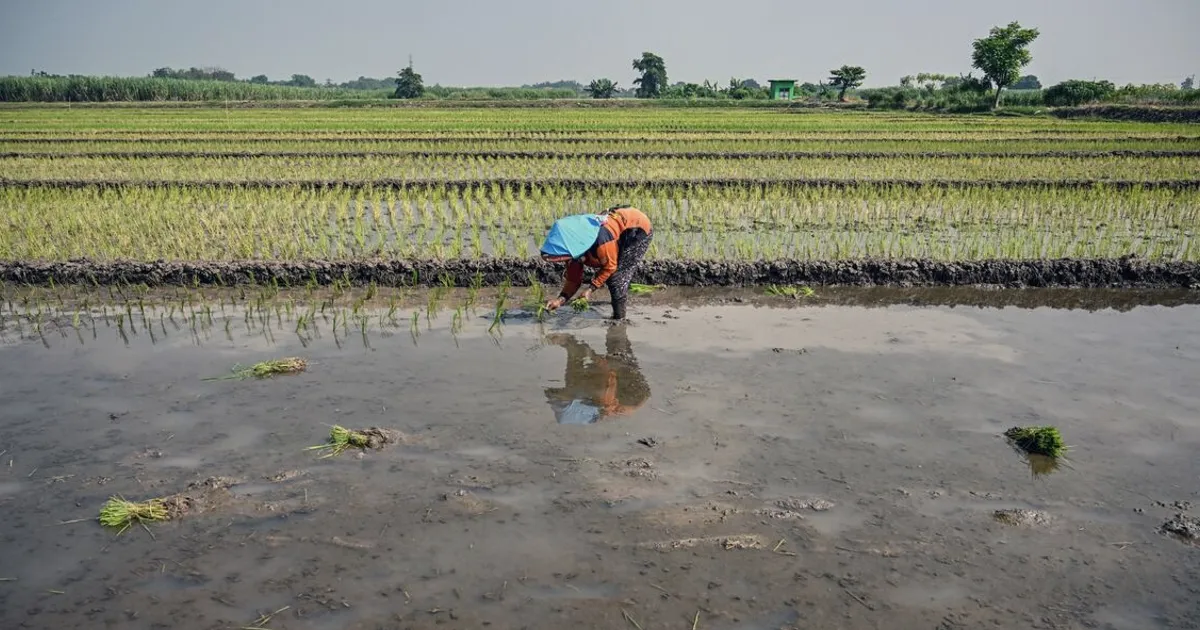
El Niño has formed across the equatorial Pacific, a climate pattern that typically brings months of droughts, floods, and temperature swings with far-reaching consequences for global agriculture and energy markets. This phenomenon, confirmed by meteorological agencies, is expected to influence weather patterns worldwide. For agricultural commodities, El Niño often means reduced crop yields in key producing regions due to drought or excessive rainfall, while energy markets face shifts in demand as heating or cooling needs change. The pattern can also affect hydroelectric power generation in regions like South America and Southeast Asia, potentially increasing reliance on fossil fuels. Traders should monitor NowPrice's fuel page for real-time pricing as weather-driven volatility may impact crude oil and natural gas markets.
The emergence of El Niño adds another layer of complexity to already tight energy markets. OPEC+ spare capacity remains limited, with most of it held by Saudi Arabia and the UAE, while US Strategic Petroleum Reserve levels are near four-decade lows after last year's historic drawdown. The Brent-WTI spread has widened recently, reflecting differing regional supply-demand balances. El Niño could exacerbate these dynamics by altering heating and cooling demand in the Northern Hemisphere. For example, a milder winter in the US might reduce heating oil consumption, while a hotter summer could boost natural gas demand for power generation. Meanwhile, crack spreads—the difference between crude oil and refined product prices—may widen if refineries face disruptions from extreme weather events. China's marginal demand for crude oil, a key driver of global prices, could also be affected if El Niño impacts its agricultural output or industrial activity.
Looking ahead, the intensity and duration of this El Niño event will be critical. Forecasters will track sea surface temperatures and atmospheric conditions to gauge its strength. A strong El Niño could persist into early 2024, potentially disrupting supply chains for both energy and agricultural commodities. In oil markets, traders will watch for signs of contango or backwardation in futures curves, as weather-driven demand shifts could alter storage economics. Saudi-Russia coordination within OPEC+ will remain a key factor, as both producers have shown willingness to adjust output to support prices. Energy and agricultural markets should prepare for potential supply disruptions and demand fluctuations over the coming months, with the full impact likely becoming clearer as the event evolves.