




EU Targets Russian LNG Shipping as Arctic Gas Imports Surge
The EU's 21st sanctions package proposes banning LNG tanker sales to Russia and targeting shadow fleet vessels, even as Europe imports nearly 97% of Yamal Arctic LNG exports this year.
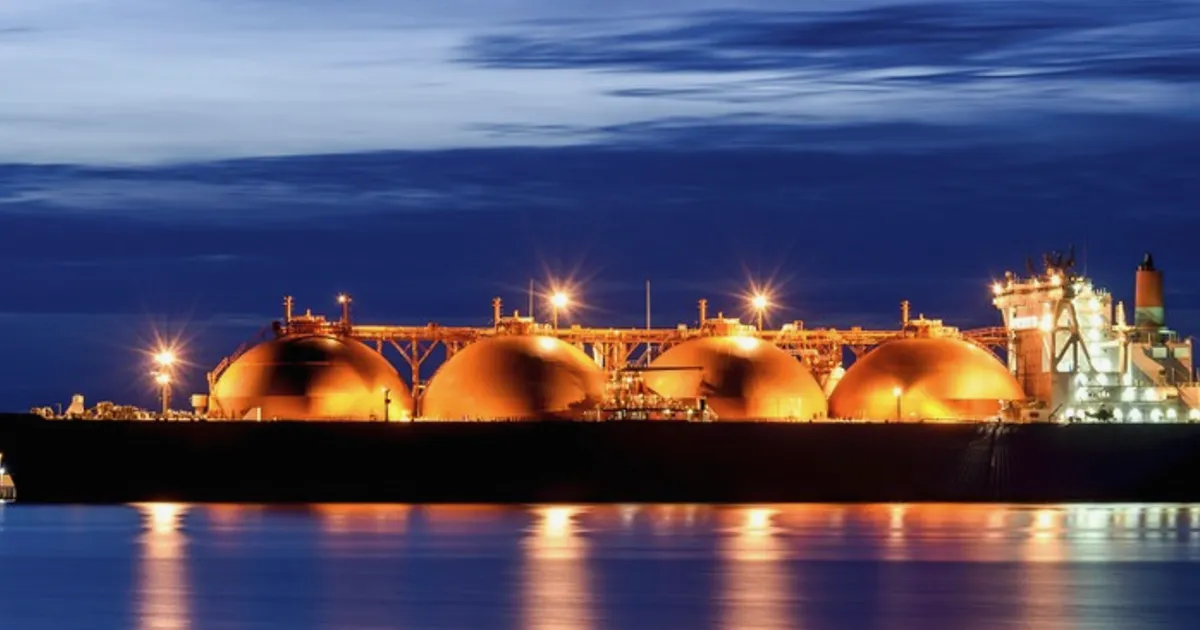
The European Union has proposed new sanctions targeting Russia's liquefied natural gas (LNG) shipping sector, even as Europe remains the top destination for Russian Arctic gas. The 21st sanctions package, unveiled by European Commission President Ursula von der Leyen, includes a ban on the sale of LNG tankers to Russian interests and new restrictions on vessels supporting Moscow's energy export network. The package also expands sanctions on Russia's shadow fleet, adding 30 vessels to the list.
For energy commodity traders, the proposed measures highlight growing geopolitical risk in the LNG market. Europe's reliance on Russian Arctic gas remains significant, with nearly 97% of Yamal LNG exports heading to European ports this year. Any disruption to shipping capacity could tighten global LNG supply, particularly if tanker availability is constrained. Traders should monitor how these sanctions affect freight rates and the spread between European gas benchmarks like TTF and Asian JKM. NowPrice's real-time fuel quotes can help track these price movements as the situation evolves.
Looking ahead, market participants will watch for the formal adoption of the sanctions package by EU member states, which could take weeks. The impact on Russian LNG exports will depend on enforcement and whether alternative shipping arrangements emerge. Additionally, the expansion of shadow fleet sanctions may set a precedent for future measures targeting other energy commodities. Traders should also keep an eye on Arctic LNG production levels and seasonal demand patterns as winter approaches.