




Exxon Sees $3.7 Billion Profit Surge From War-Driven Oil Rally
ExxonMobil reported a second-quarter profit surge of nearly $4 billion, driven by higher oil prices amid the Iran conflict, highlighting the war's impact on energy markets.
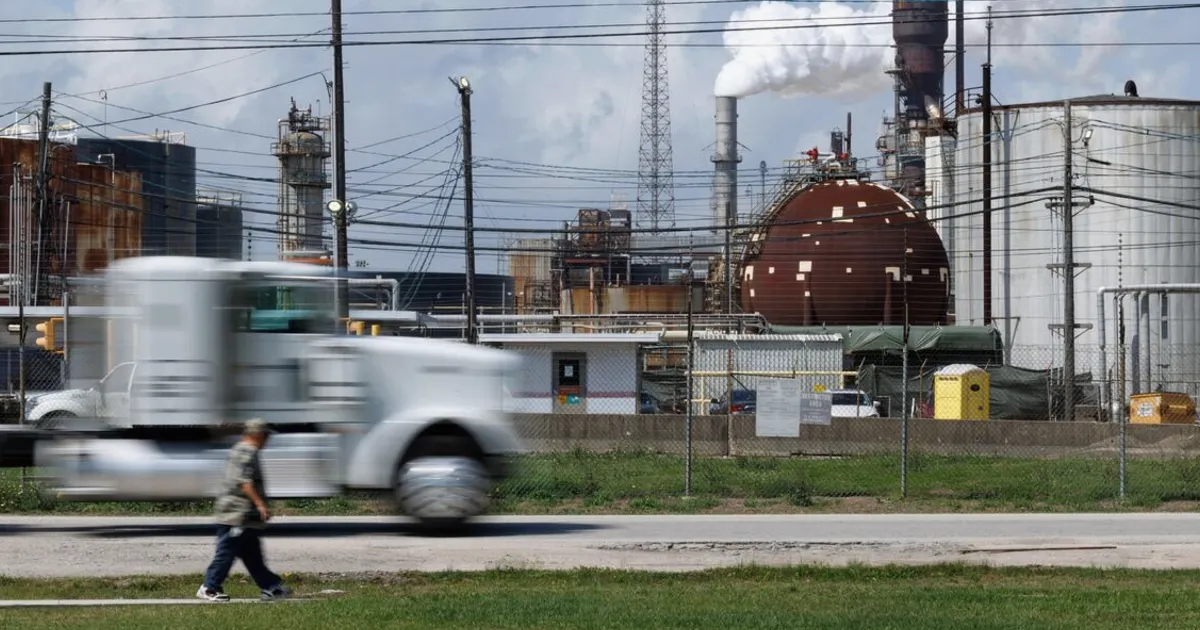
ExxonMobil reported a second-quarter profit surge of nearly $4 billion, driven by higher oil prices amid the Iran conflict. The company's earnings jumped by approximately $3.7 billion compared to the same period last year, reflecting the war-driven rally in crude markets. This rally has been fueled by fears of supply disruptions in the Middle East, with Brent crude consistently trading above $80 per barrel. The Brent-WTI spread widened as geopolitical risk premium was priced into global benchmarks, while US crude inventories drew down, supporting prices. Exxon's upstream segment, which produces crude oil and natural gas, directly benefited from the price increase, while its downstream refining margins were squeezed by higher feedstock costs, illustrating the crack-spread dynamics that traders monitor.
The profit boost underscores how major oil producers benefit from geopolitical tensions that push prices higher. For fuel traders, this dynamic is critical: the Iran conflict has tightened supply expectations, supporting Brent crude above key levels. OPEC+ spare capacity, estimated at around 4-5 million barrels per day, provides a buffer but remains concentrated in Saudi Arabia and the UAE, limiting immediate response. Meanwhile, US Strategic Petroleum Reserve (SPR) levels have fallen to their lowest in decades after releases in 2022, reducing the government's ability to intervene. China's marginal demand, as the world's largest crude importer, remains a wildcard, with economic stimulus measures potentially boosting consumption. The market structure has shifted from contango to backwardation, indicating near-term tightness. Traders can monitor real-time price moves on NowPrice's live fuel dashboard to track how such earnings reports influence market sentiment.
Looking ahead, traders should watch for further developments in the Iran situation, as any escalation could drive prices even higher. Additionally, OPEC+ production decisions and US inventory data will be key to gauging supply-demand balance. Saudi-Russia coordination within OPEC+ will be crucial, as any disagreement could lead to increased output and lower prices. The sustainability of the rally will depend on whether geopolitical risks persist or ease, and whether demand growth from emerging markets offsets potential slowdowns in developed economies. Traders should also monitor the backwardation depth and refinery margins for signs of changing fundamentals.