




French Inflation Unexpectedly Falls Back to ECB's 2% Target
French inflation unexpectedly slowed to the ECB's 2% target for the first time since the Iran war, driven by lower energy costs, reducing pressure for further rate hikes.
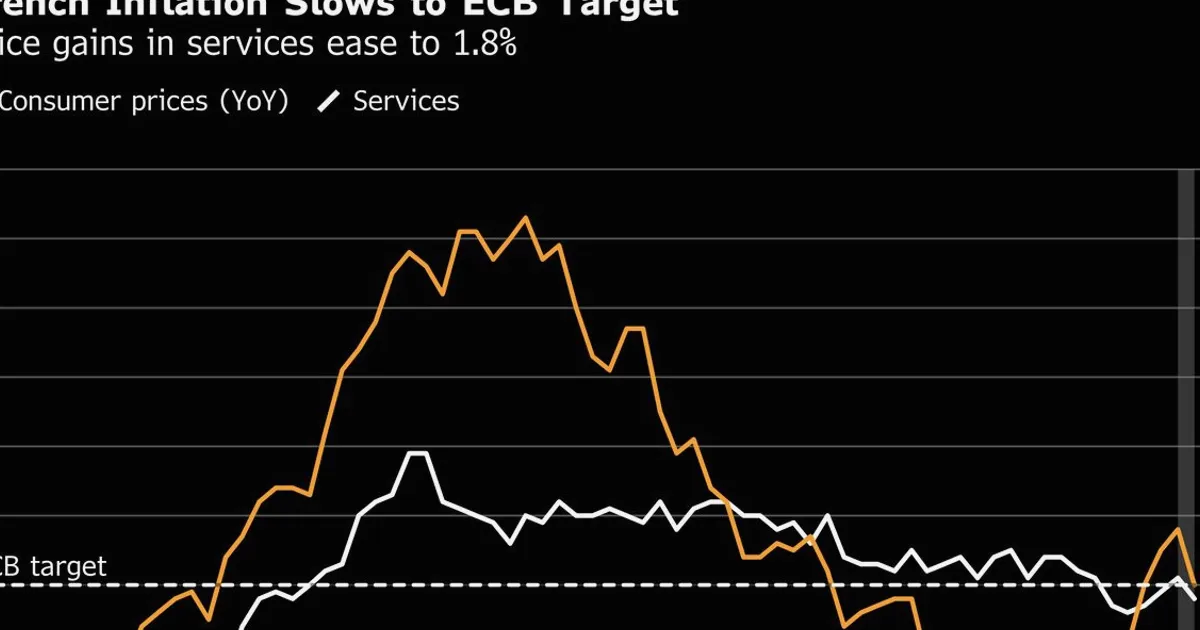
French inflation unexpectedly fell back to the European Central Bank's 2% target for the first time since the outbreak of the Iran war, as energy costs declined. The data marks a significant shift in the inflation landscape of the eurozone's second-largest economy, easing pressure on the ECB to continue its aggressive rate-hiking cycle. The decline was driven by lower energy prices, reflecting a combination of reduced demand and ample supply. OPEC+ spare capacity remains substantial, with Saudi Arabia and Russia coordinating to maintain output discipline, while the Brent-WTI spread has narrowed as US crude production holds steady. US Strategic Petroleum Reserve levels, though replenished after last year's drawdowns, remain below historical highs, limiting the government's ability to intervene in supply shocks.
For energy commodities traders, the decline in French inflation driven by lower energy prices signals a potential softening of demand or increased supply in the European fuel market. This development could weigh on crude oil and natural gas prices, as weaker inflationary pressures reduce the urgency for central banks to tighten monetary policy, which in turn supports economic activity and energy demand. The crack spread—the difference between crude oil and refined product prices—has narrowed, indicating weaker refining margins and lower gasoline demand. Meanwhile, China's marginal demand for crude has softened amid a slower-than-expected economic recovery, adding to the bearish sentiment. Traders can monitor real-time price movements on NowPrice's live fuel dashboard to track the impact on Brent, WTI, and European gas benchmarks. The market has shifted from backwardation to contango in some forward curves, suggesting ample near-term supply and storage builds.
Looking ahead, traders should watch for similar inflation data from other major eurozone economies, particularly Germany, and the ECB's next policy decision. A sustained return to target inflation could lead to a pause or reversal of rate hikes, potentially boosting economic growth and energy consumption. However, geopolitical risks in the Middle East remain a key upside risk to energy prices, as any disruption to supply through the Strait of Hormuz could quickly tighten the market. Additionally, Saudi-Russia coordination on output levels will be critical; any deviation from their current agreement could swing prices. The contango structure in futures markets may persist if demand remains tepid, but a sudden shift to backwardation would signal tightening supply. Traders should also monitor US crude stockpile data and refinery utilization rates for near-term demand signals.