




Gasoline Price Spike Adds to War’s Economic Toll for Russians
Russian gasoline prices surged again as Ukrainian strikes on refineries constrain supply, reinforcing the central bank's cautious stance on rate cuts amid new inflation risks.
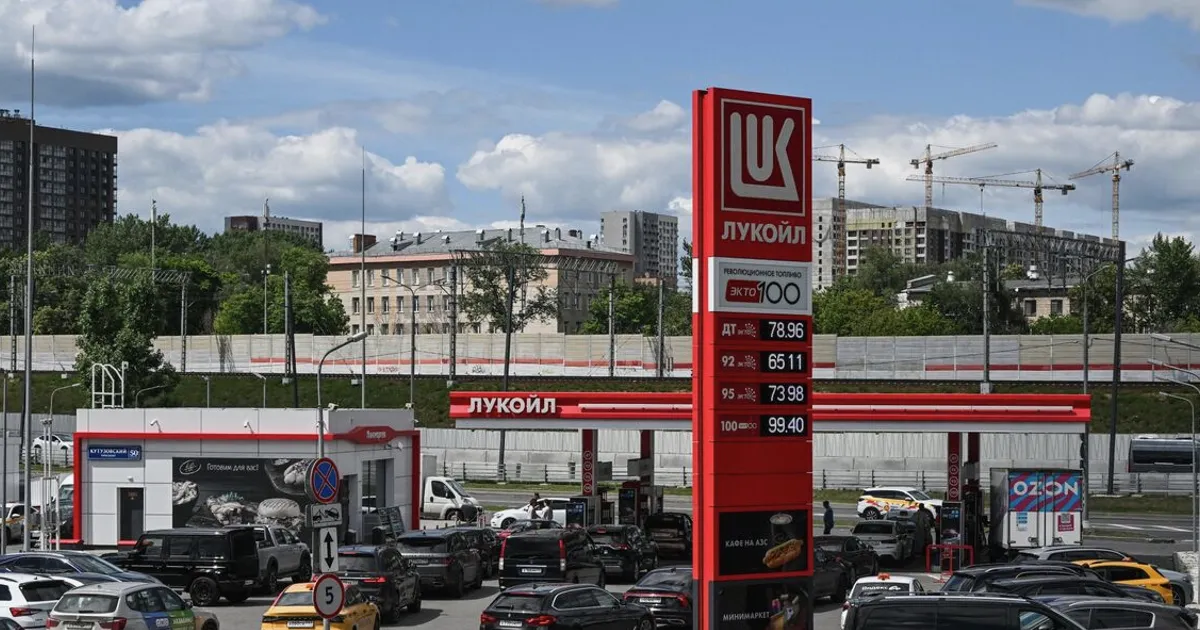
Gasoline prices in Russia have surged once more, adding to the economic strain on Russian consumers as the war in Ukraine continues. The latest spike follows Ukrainian drone strikes on several Russian refineries, which have reduced domestic fuel output and tightened supply. Central Bank Governor Elvira Nabiullina has warned that lower refinery production has become a new inflation risk, bolstering the case for keeping interest rates high. The attacks have disrupted refining capacity, leading to a narrowing of crack spreads—the difference between crude oil prices and refined product prices—which squeezes refiner margins. This dynamic is particularly acute in a market already grappling with OPEC+ production cuts and spare capacity held by Saudi Arabia and Russia, which has kept crude prices elevated. The Brent-WTI spread has widened as global benchmarks reflect differing supply risks, while Russia's domestic fuel shortages contrast with its role as a major exporter.
For energy traders, the situation in Russia highlights how geopolitical disruptions can ripple through fuel markets. The refinery outages have narrowed the spread between crude oil and refined products, affecting crack spreads that refiners rely on for profitability. Traders can monitor these price moves and supply dynamics on NowPrice's live fuel dashboard to track real-time impacts on gasoline and diesel markets. The US Strategic Petroleum Reserve (SPR) remains at historically low levels after last year's releases, limiting the ability to cushion global supply shocks. Meanwhile, China's marginal demand for refined products has softened amid a sluggish economic recovery, but any sustained rise in Russian fuel prices could still tighten global diesel and gasoline markets. The contango structure in crude futures suggests near-term oversupply, but backwardation in refined products signals immediate scarcity, creating arbitrage opportunities for traders.
Looking ahead, the key question is whether Russia can restore refinery capacity quickly or if further strikes will deepen the supply crunch. The central bank's next rate decision will be closely watched for signals on how policymakers balance inflation risks against slowing economic growth. Any sustained rise in Russian fuel prices could also influence global diesel and gasoline markets, given Russia's role as a major exporter. Saudi-Russia coordination within OPEC+ may adjust output quotas in response to shifting supply dynamics, while traders will eye the upcoming US driving season for demand cues. The interplay between geopolitical risks, refinery outages, and macroeconomic factors will determine whether the current price spike becomes a persistent trend or a temporary disruption.