




German solar-to-hydrogen breakthrough could reshape clean fuel economics
German researchers developed a prototype that efficiently converts sunlight into hydrogen using spacecraft-grade solar cells, potentially lowering green hydrogen production costs and boosting the fuel's viability for heavy industry.
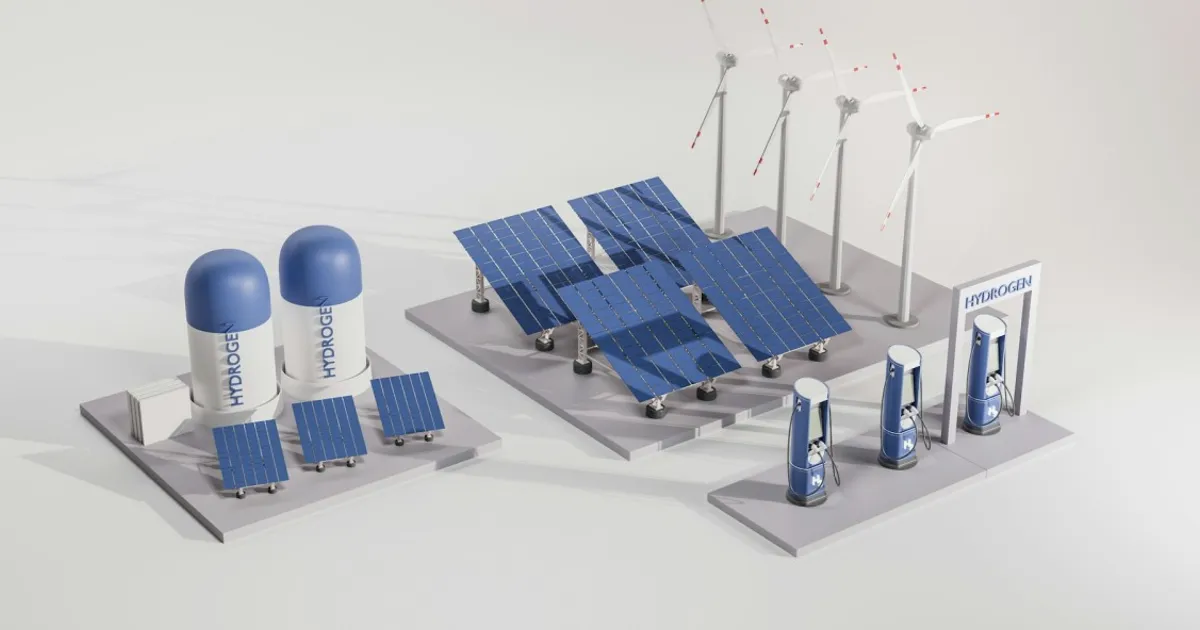
A team of researchers in Germany has unveiled a prototype that efficiently converts sunlight into hydrogen fuel, using a type of solar cell typically employed in spacecraft. The breakthrough addresses a longstanding efficiency problem in the green hydrogen sector, which has struggled to compete with fossil-based hydrogen on cost. The new system, still in proof-of-concept stage, could eventually make zero-emission hydrogen production more economically viable.
The development is significant for energy traders tracking the hydrogen market, as production cost has been the primary barrier to scaling green hydrogen. If this technology can be commercialized, it could lower the levelized cost of hydrogen, making it more competitive with gray hydrogen produced from natural gas. Traders can monitor real-time price movements and supply-demand shifts in the hydrogen and broader clean energy markets on NowPrice's live fuel dashboard.
Looking ahead, the key question is whether the prototype can be scaled from lab to industrial production. Researchers will need to demonstrate durability, cost-effectiveness at scale, and integration with existing hydrogen infrastructure. Any positive developments could accelerate investment in hydrogen projects and reshape long-term demand forecasts for natural gas and other fossil fuels used in hydrogen production.