




Growing Oil Glut Spurs Asian Refiners to Offer Cargoes to the US
A surge in Persian Gulf oil output after the Strait of Hormuz reopening is creating a glut, pushing Asian refiners to divert cargoes to the US market.
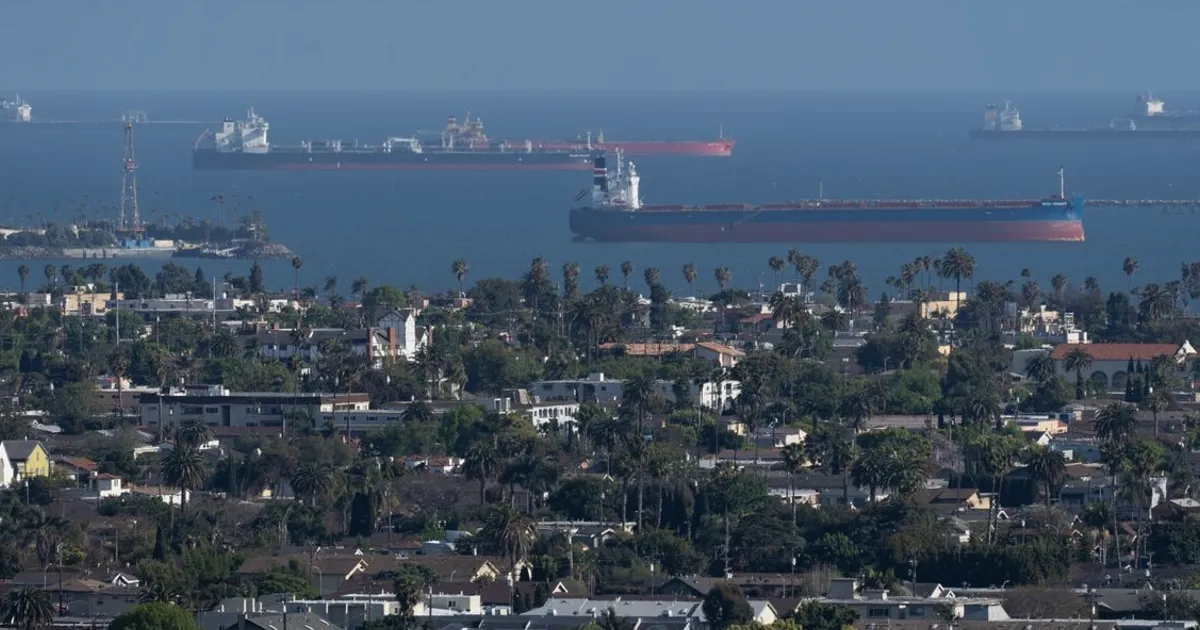
A growing oil glut is prompting Asian refiners to offer crude cargoes to the United States, as Persian Gulf output ramps up rapidly following the reopening of the Strait of Hormuz. The surge in supply has left Asian refiners with more crude than they need, forcing them to seek alternative markets as far as California. This unusual flow reflects a market in contango, where storage economics encourage holding barrels, but the sheer volume of supply is overwhelming regional demand. Asian refiners, typically net buyers, are now selling cargoes to the US West Coast, where refineries can process the medium-sour grades from the Middle East. The situation is exacerbated by OPEC+ spare capacity, which remains ample as Saudi Arabia and Russia coordinate to maintain market share, and by weak Chinese marginal demand, as the world's top importer slows its buying amid economic headwinds.
For oil and energy traders, this development signals a shift in global crude flows that could pressure US crude prices. The influx of Persian Gulf crude into the US market adds to domestic supply, potentially widening the Brent-WTI spread. Asian refiners, typically buyers of Middle Eastern crude, are now becoming sellers, reflecting the depth of the oversupply. Traders should monitor the impact on US inventories and refinery margins, as the additional cargoes may test storage capacity. The US Strategic Petroleum Reserve (SPR) stands at historically low levels after last year's releases, limiting the government's ability to buffer supply shocks. Meanwhile, crack-spread economics in the US remain weak, with gasoline and diesel margins under pressure from high crude input costs and tepid demand, further discouraging refiners from absorbing extra barrels. Check NowPrice's fuel page for current pricing on WTI and Brent to assess the market's reaction.
Looking ahead, the sustainability of this trend depends on OPEC+ production decisions and demand recovery in Asia. If the glut persists, more cargoes could head to the US, further reshaping trade routes. Key data to watch include weekly US inventory reports and Asian refinery run rates, which will indicate whether the oversupply is temporary or structural. The backwardation in the Brent curve has flattened, signaling that the market expects near-term tightness to ease, while the contango in WTI suggests storage builds are imminent. Traders should also watch for any shift in Saudi-Russia coordination, as a potential output cut could reverse the flow, but current rhetoric favors maintaining high output to pressure rival producers. Ultimately, the direction of global crude flows will hinge on whether Asian demand recovers enough to absorb the surplus, or if the US becomes a permanent destination for Middle Eastern barrels.