




Heat Wave Drives Up Energy Demand, Cooling Costs Expected to Surge
A dangerous heat wave across the US is expected to spike electricity demand for cooling, driving up natural gas and power prices and raising household energy bills.
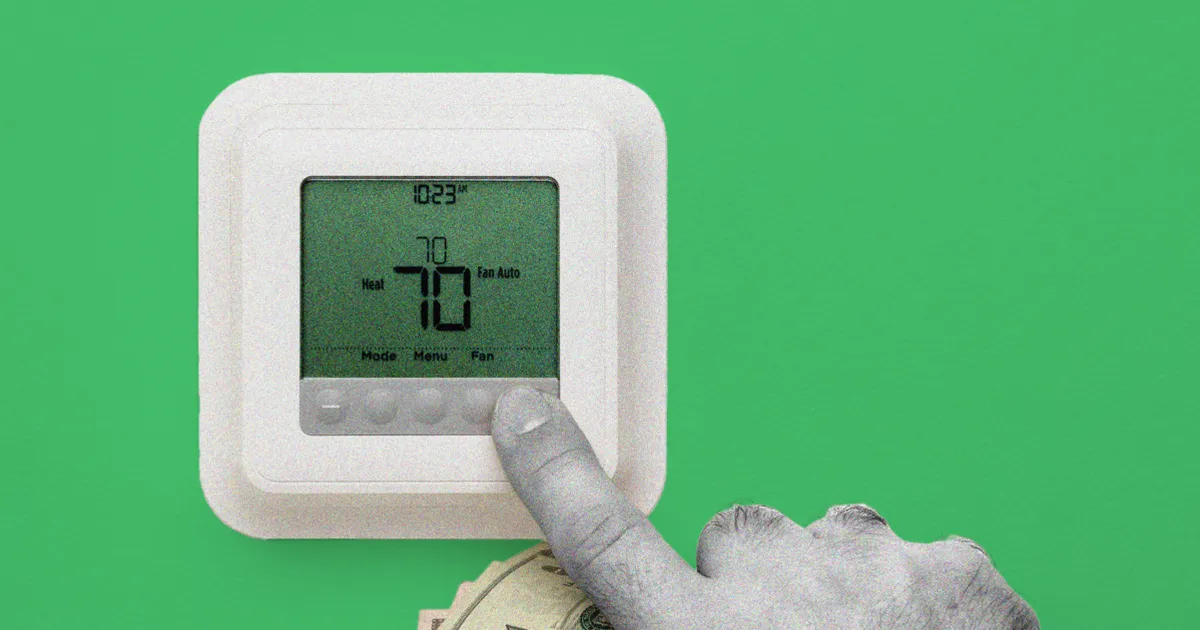
A dangerous heat wave is sweeping across much of the United States this week, with temperatures forecast to exceed 100°F in several regions. The extreme weather is expected to drive a sharp increase in electricity demand as millions of Americans turn on air conditioning to stay cool. Energy experts warn that the surge in cooling demand will push up wholesale power prices and natural gas prices, which are the primary fuel for US electricity generation.
For energy traders, this heat wave represents a classic demand-side shock. Natural gas futures typically rally during summer heat waves because gas-fired power plants run more hours to meet peak load. The US Energy Information Administration has noted that summer cooling demand is a key driver of natural gas consumption and prices. Traders can track real-time natural gas and power prices on NowPrice's live fuel dashboard to monitor the market's reaction. The heat wave also raises concerns about grid reliability, as extreme temperatures can strain transmission lines and reduce the efficiency of thermal power plants.
Looking ahead, traders should watch the weekly natural gas storage report from the EIA, which will show how quickly inventories are being drawn down. If the heat wave persists for more than a week, storage withdrawals could accelerate, supporting higher prices. Also monitor temperature forecasts from the National Weather Service for any extension of the heat wave. The market will also be watching for any emergency declarations by grid operators, which could trigger price caps or other interventions.