




Hormuz Crisis Accelerates Southeast Asia Solar Boom
The Strait of Hormuz crisis has accelerated clean energy adoption in Southeast Asia, with solar capacity surging as governments seek to reduce oil dependence.
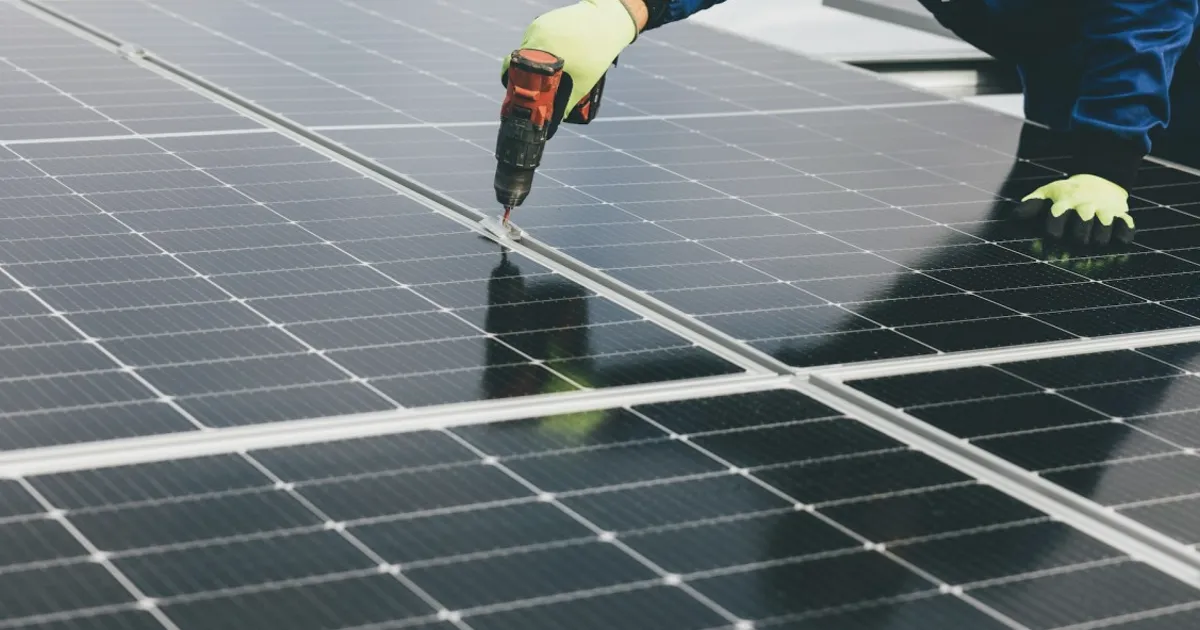
The Strait of Hormuz crisis has triggered a lasting shift in Southeast Asia's energy landscape, accelerating the region's transition to solar power as governments seek to insulate themselves from oil supply disruptions.
The near-conflict between the United States and Iran earlier this year sent shockwaves through global oil markets, with the Strait of Hormuz—a chokepoint for about 20% of the world's petroleum—becoming a flashpoint. While a ceasefire has held, the episode has prompted Southeast Asian nations to fast-track renewable energy projects. Solar capacity in the region has surged as policymakers prioritize energy security and diversification away from fossil fuels. The crisis has reinforced the economic case for solar, which is now cheaper than oil-fired generation in many parts of the region.
For energy traders, this shift has significant implications. Reduced oil demand growth from Southeast Asia could weigh on global crude prices, particularly as the region was a key driver of demand in recent years. Meanwhile, the solar boom is boosting demand for metals like polysilicon and silver, creating cross-commodity dynamics. NowPrice charts show that solar panel prices have remained stable despite the geopolitical turmoil, reflecting robust supply chains. Traders should monitor how this structural change affects oil demand forecasts and refinery margins in the region.
Looking ahead, Southeast Asia's solar expansion is expected to continue, with several countries announcing new capacity targets. The next key data point will be the region's oil import figures over the coming months, which could reveal the extent of demand destruction. Additionally, any renewed tensions in the Strait of Hormuz could further accelerate the transition, while a sustained peace might slow it. Traders should watch for policy announcements from major economies like Indonesia and Vietnam, which are leading the solar push.