




India Motorists Protest Modi's Biofuel Push, Threatening Import-Cut Goals
Indian motorists plan a major protest in New Delhi against the government's biofuel blending program, which aims to cut crude imports but has raised fuel costs and vehicle compatibility concerns.
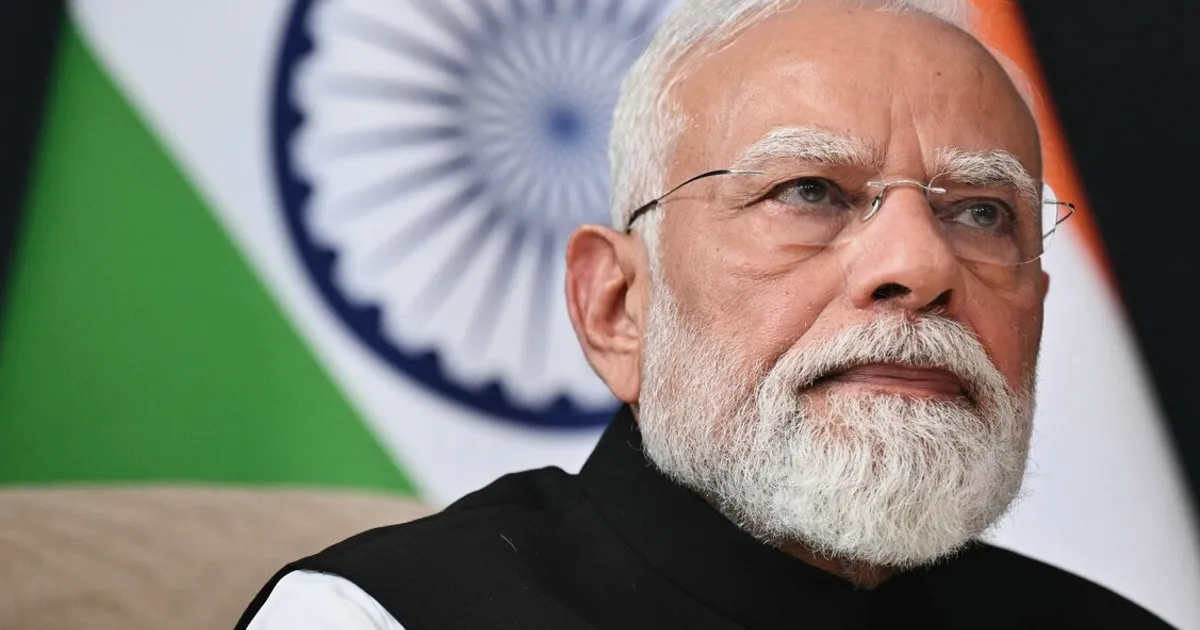
Indian motorists are set to gather in New Delhi on Sunday for the first major protest against Prime Minister Narendra Modi's flagship biofuel program, which aims to reduce the country's dependence on crude oil imports and support farmer incomes. The protest highlights growing public discontent over rising fuel costs and concerns about vehicle compatibility with higher ethanol blends.
The protest underscores a key challenge for India's energy transition: balancing environmental and energy security goals with consumer affordability. India, the world's third-largest oil consumer, has aggressively pushed for higher ethanol blending in gasoline to cut its hefty import bill, which exceeds $100 billion annually. However, the policy has led to higher pump prices for motorists, as ethanol is often more expensive than gasoline on an energy-equivalent basis. Additionally, many older vehicles are not designed to run on blends above E10 (10% ethanol), raising maintenance and performance issues. For fuel traders, this development could signal potential shifts in India's gasoline demand and blending economics. If public opposition forces a slowdown in the blending mandate, it may temporarily boost gasoline imports and weigh on domestic ethanol demand. Conversely, a continued push could accelerate refinery upgrades and alter trade flows. Check NowPrice's fuel page for real-time pricing on Indian gasoline and ethanol markets.
Traders should watch for any official response from the Indian government, including potential adjustments to the blending timeline or subsidies to offset consumer costs. The protest could also influence policy ahead of key state elections. On the global stage, any slowdown in India's biofuel adoption would reduce pressure on global sugar markets (as ethanol is derived from sugarcane) and could slightly increase crude oil import demand. The outcome of this protest may offer early clues on the political feasibility of aggressive biofuel targets in emerging economies.