




Indonesian economy faces headwinds from high energy prices, investor unease
Indonesia's economy, a net oil importer, struggles with high energy costs and government policies that deter foreign investment, despite a slight currency rebound.
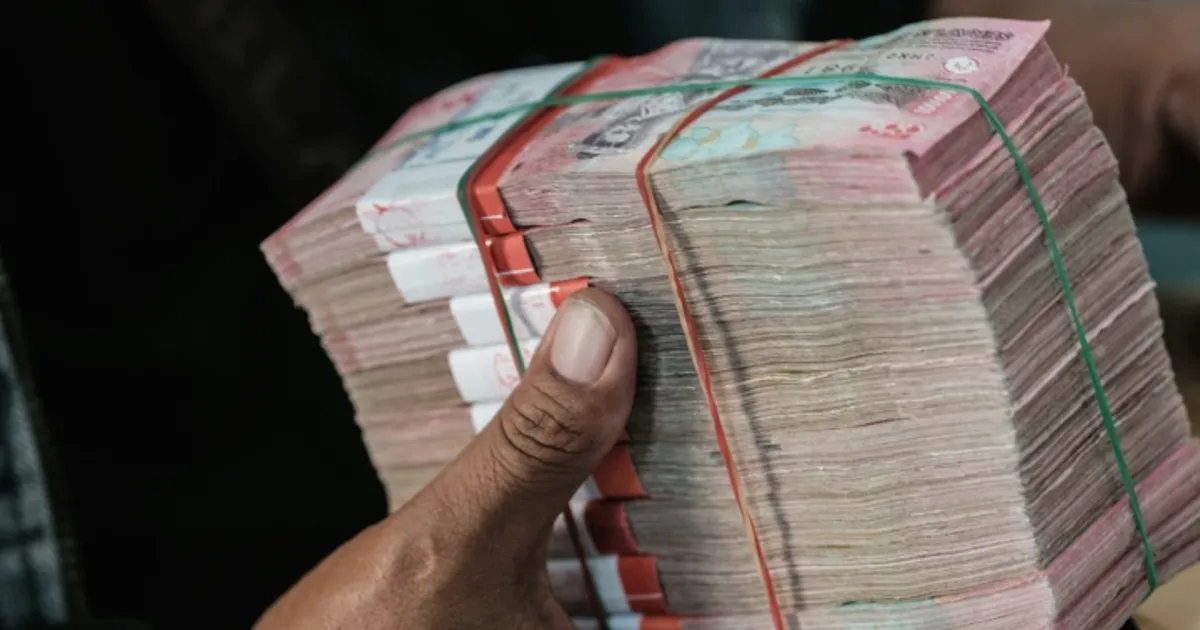
Indonesia's economy is facing significant headwinds from high energy prices and government policies that are unsettling investors, according to recent reports. The Southeast Asian nation, a net oil importer, has been hit hard by the global surge in crude prices driven by the Middle East conflict. As a net importer, Indonesia is acutely exposed to the Brent-WTI spread and the wider crack spread, which reflects refining margins for gasoline and diesel. The government's costly fuel subsidy program, which attempts to shield consumers from global price volatility, and a multi-billion-dollar school meal initiative have strained fiscal resources. Meanwhile, tighter export controls on key commodities have been criticized as resource nationalism, deterring foreign capital. These factors contribute to a challenging environment for energy demand in one of Asia's key emerging markets. Check NowPrice's fuel page for current pricing context on how these dynamics affect regional fuel markets.
For fuel traders, Indonesia's situation underscores the vulnerability of net oil-importing economies to supply shocks. The country's reliance on imported crude means that any disruption in global supply—whether from OPEC+ spare capacity decisions or Saudi-Russia coordination—directly impacts its trade balance and inflation. The US Strategic Petroleum Reserve (SPR) drawdowns have provided some global relief, but with SPR levels near multi-decade lows, the buffer is limited. Additionally, China's marginal demand for crude, as the world's largest importer, plays a key role in setting the global price floor. In Indonesia, the government's fuel subsidy program distorts domestic prices, leading to inefficient consumption and fiscal strain. The recent rupiah rebound offers some relief, but sustained foreign investment will depend on clearer regulatory signals. Global oil price movements and the trajectory of Middle East tensions remain critical external factors.
Looking ahead, investors will watch for any policy shifts from Jakarta, particularly regarding fuel subsidies and export restrictions. The rupiah's recent rebound offers some relief, but sustained foreign investment will depend on clearer regulatory signals. Global oil price movements and the trajectory of Middle East tensions remain critical external factors. Traders should also monitor the contango/backwardation structure of the crude futures curve, as a steep contango could signal oversupply and lower prices, benefiting importers like Indonesia, while backwardation would indicate tightness and higher costs. Any change in OPEC+ output strategy or a de-escalation in the Middle East could provide a tailwind for the Indonesian economy and its currency.