




Japan's Inpex Signs 15-Year LNG Deal with Abu Dhabi
Japan's state-backed Inpex Corp. signed a 15-year LNG supply deal with Abu Dhabi National Oil Co., securing long-term energy for Japan and boosting Gulf producer ties.
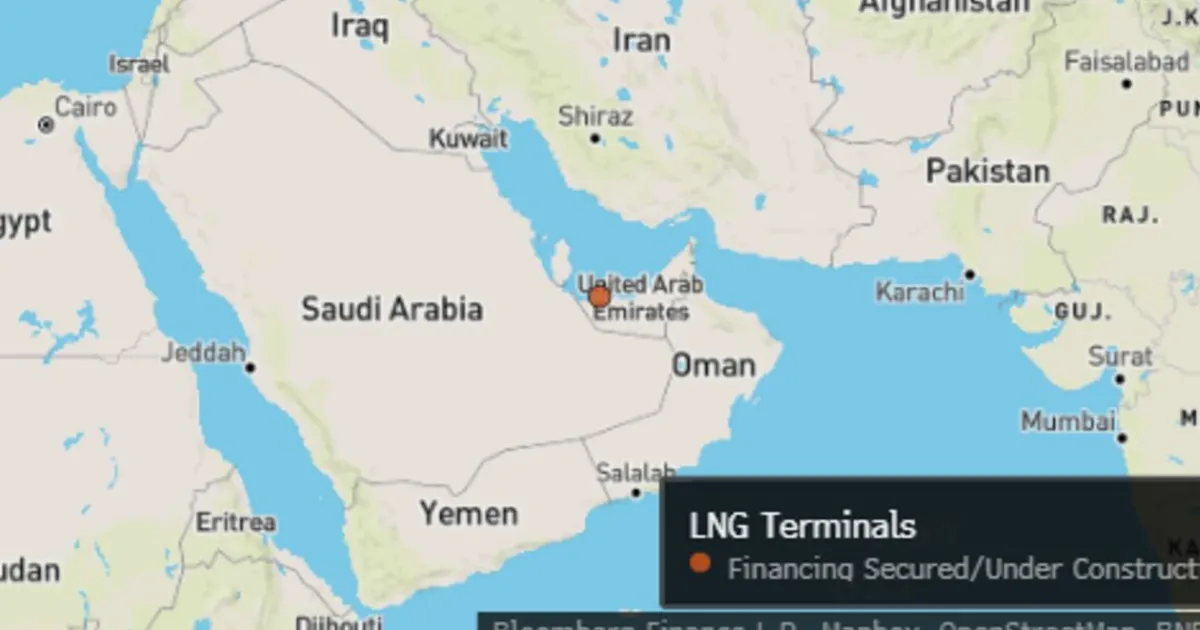
Japan's state-backed Inpex Corp. has signed a 15-year agreement with Abu Dhabi National Oil Co. (ADNOC) for the supply of liquefied natural gas from a project in the Persian Gulf. The deal underscores Japan's push to secure long-term energy supplies as it reduces reliance on nuclear power and seeks to diversify import sources away from traditional suppliers. Inpex, a key player in Japan's energy security, will receive LNG from ADNOC's lower-carbon Ruwais LNG project, which is expected to start production by 2028. This contract adds to a series of long-term agreements by Japanese utilities, reflecting a strategic shift toward stable, multi-decade supply arrangements in an increasingly volatile global gas market.
For energy commodity traders, this long-term contract adds to the tightening of global LNG supply, especially as Asian demand grows and European buyers compete for cargoes. The deal also strengthens the position of Gulf producers in the Asian market, potentially influencing spot LNG prices and the Japan Korea Marker (JKM) benchmark. With global LNG supply already constrained by limited new liquefaction capacity and geopolitical risks, such long-term offtake agreements remove flexible volumes from the spot market, supporting price floors. Meanwhile, the Brent-WTI spread and US Henry Hub prices remain key indicators for global gas arbitrage, as US LNG exports increasingly compete with Middle Eastern cargoes. Traders can monitor real-time LNG price movements on NowPrice's live fuel dashboard to track market reactions to such supply agreements.
Looking ahead, market participants will watch for additional long-term deals from other Asian buyers, which could further tighten the LNG market. The ramp-up of ADNOC's project and any shifts in Japanese energy policy, including nuclear restarts, will be key factors to monitor for future supply-demand balances. Additionally, the potential for increased Chinese marginal demand for LNG, as Beijing balances coal-to-gas switching with economic growth, could further tighten the market. Saudi-Russia coordination within OPEC+ also indirectly affects LNG prices by influencing crude oil benchmarks, which often set the floor for gas pricing in long-term contracts. Traders should also monitor the contango or backwardation structure of LNG futures curves, as these signal market expectations for storage and supply tightness. Any acceleration in Japanese nuclear restarts could reduce LNG import needs, while delays would reinforce Japan's dependence on Gulf suppliers.