




Invesco Strategist Says Oil Price Freefall Is Overdone
Invesco's Kathy Kriskey argues that the recent oil price plunge is overdone, noting that shipping through the Strait of Hormuz continues despite attacks, suggesting market fears may be exaggerated.
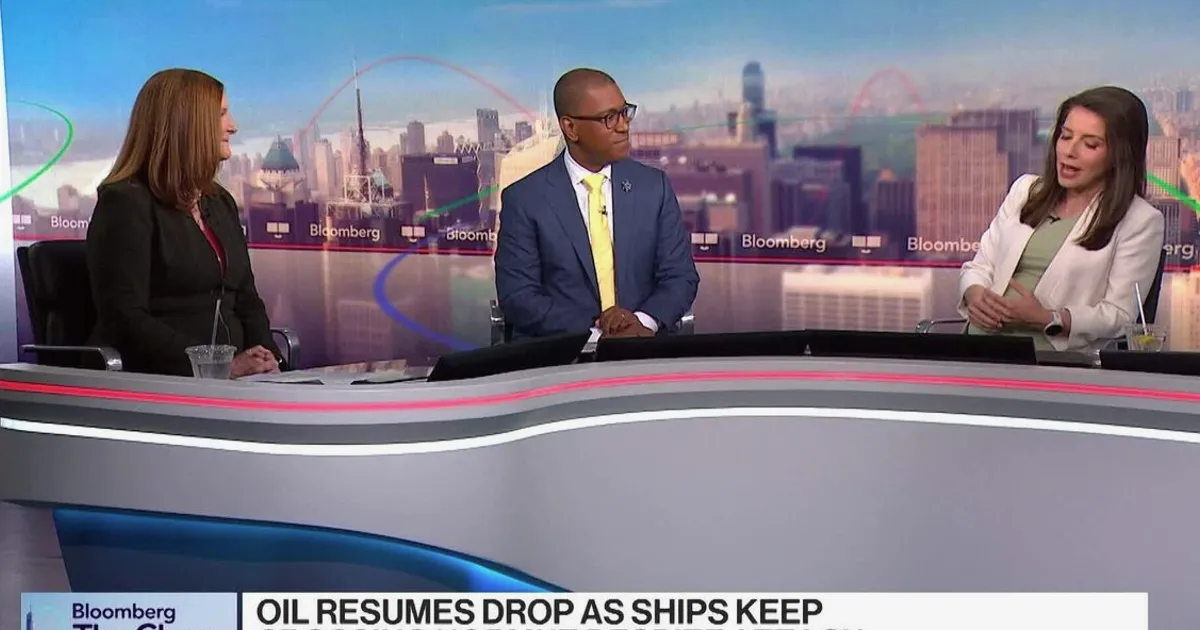
Invesco strategist Kathy Kriskey believes the recent oil price freefall is overdone, pointing to continued shipping through the Strait of Hormuz despite attacks. Speaking on Bloomberg's "The Close," she argued that market fears may be exaggerated, as supply routes remain operational. The selloff has been sharp, with Brent crude losing ground as geopolitical risk premiums unwind, but Kriskey contends that the physical market tells a different story. Tanker tracking data shows no major disruption in flows through the Strait, which handles about 20% of global oil supply. This suggests the price drop is more about speculative positioning—futures and options unwinding—than actual supply constraints. The crack spread, which measures refining margins, has also narrowed, indicating that downstream demand concerns may be overblown. NowPrice live fuel prices and charts reflect the market's reaction, showing crude futures under pressure but with potential for a rebound if fundamentals hold.
For oil traders, the disconnect between price action and physical flows is a key signal. While Brent crude has dropped sharply, the Brent-WTI spread has widened, reflecting regional differences in supply-demand balances. US Strategic Petroleum Reserve (SPR) levels remain near 40-year lows after the Biden administration's releases, limiting the government's ability to intervene. Meanwhile, OPEC+ spare capacity, estimated at around 4-5 million barrels per day, provides a buffer but is concentrated in Saudi Arabia and the UAE. Saudi-Russia coordination remains intact, with both nations signaling they could adjust output if prices fall too far. On the demand side, China's marginal consumption—the world's largest crude importer—has been lackluster due to a sluggish economic recovery, but recent stimulus measures could boost buying. The contango structure in futures markets, where near-term prices are lower than later-dated contracts, is encouraging storage builds, which could eventually tighten supply. Kriskey's view is that the selloff is overdone because the physical market is not as weak as prices suggest, and any supply disruption or demand pickup could trigger a sharp reversal.
Looking ahead, traders should monitor weekly US inventory data and OPEC+ commentary for signs of supply adjustments. If shipping continues uninterrupted, the current price level could attract bargain buying. However, any escalation in Middle East tensions could quickly reverse the narrative, making the Strait of Hormuz a critical watchpoint. The backwardation in the Brent curve has flattened, but if it flips to contango, it would signal ample supply. Key levels to watch are $70 for Brent and $65 for WTI, where major producers may step in. With the market pricing in a worst-case scenario, a return to normalcy could spark a rally. NowPrice will continue to track these developments, providing real-time data on fuel prices and market dynamics.