




Iran’s Floating Oil Stockpile Swells as Major Buyers Stay Away
Iran’s floating oil storage has risen sharply as major buyers avoid purchases ahead of a 60-day US waiver deadline, adding potential supply overhang to global markets.
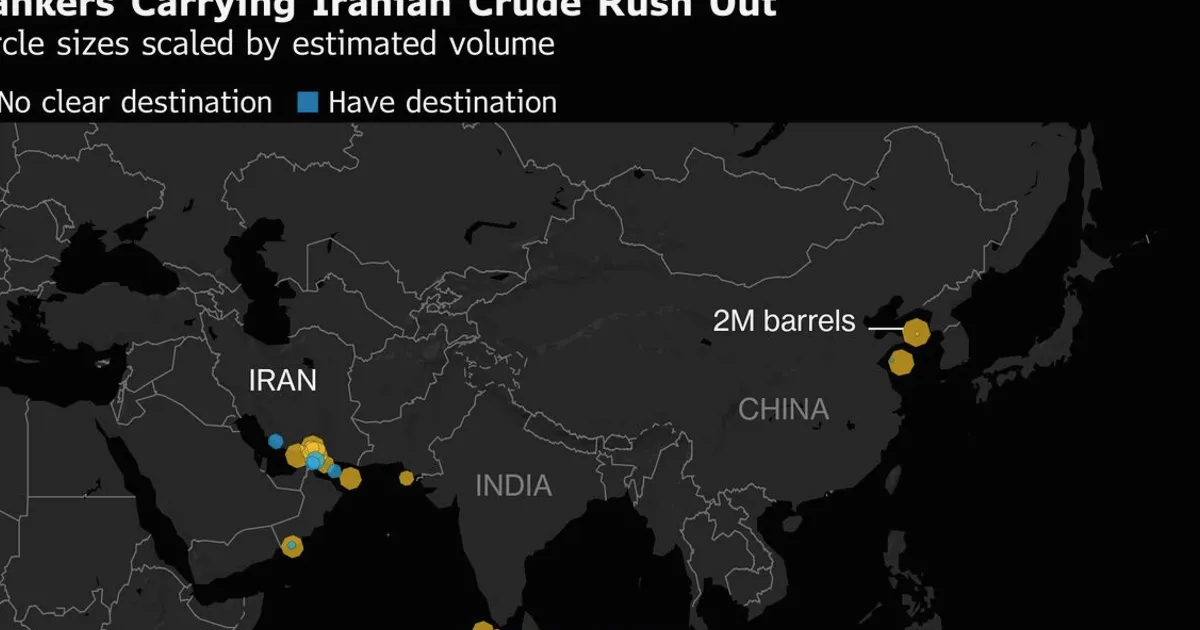
A hoard of Iranian oil is building up at sea, as the Islamic Republic struggles to find buyers before the expiry of a 60-day window granted by Washington. The growing floating stockpile signals that major importers are shunning Iranian crude amid tightening US sanctions enforcement, raising the prospect of a supply overhang that could weigh on global oil prices.
For fuel and energy traders, the accumulation of Iranian oil on tankers represents a latent bearish factor. If the 60-day waiver period expires without significant sales, Iran may be forced to offer steep discounts or divert cargoes to smaller, less transparent buyers, potentially depressing prices in the spot market. The floating storage also ties up tanker capacity, which can influence freight rates. Traders should monitor the volume of Iranian crude afloat and any shifts in destination patterns, as a sudden release of stored oil could pressure benchmarks like Brent and WTI. For real-time pricing context, check NowPrice's fuel page to track current crude and product values.
Looking ahead, the key event is the expiration of the US waiver window. If Washington extends or tightens the deadline, it could trigger a sharp move in crude prices. Traders should also watch for any diplomatic signals from Iran or the US regarding nuclear talks, as well as data on Iranian crude exports from tanker tracking services. A sustained buildup in floating storage may eventually force Iran to cut production, which would tighten global supply balances.