




Iran Will Stay in Control of Hormuz, Treyz Says
Henrietta Treyz of Veda Partners expects Iran to retain control of the Strait of Hormuz after the war, a key factor for global oil supply and tanker transit.
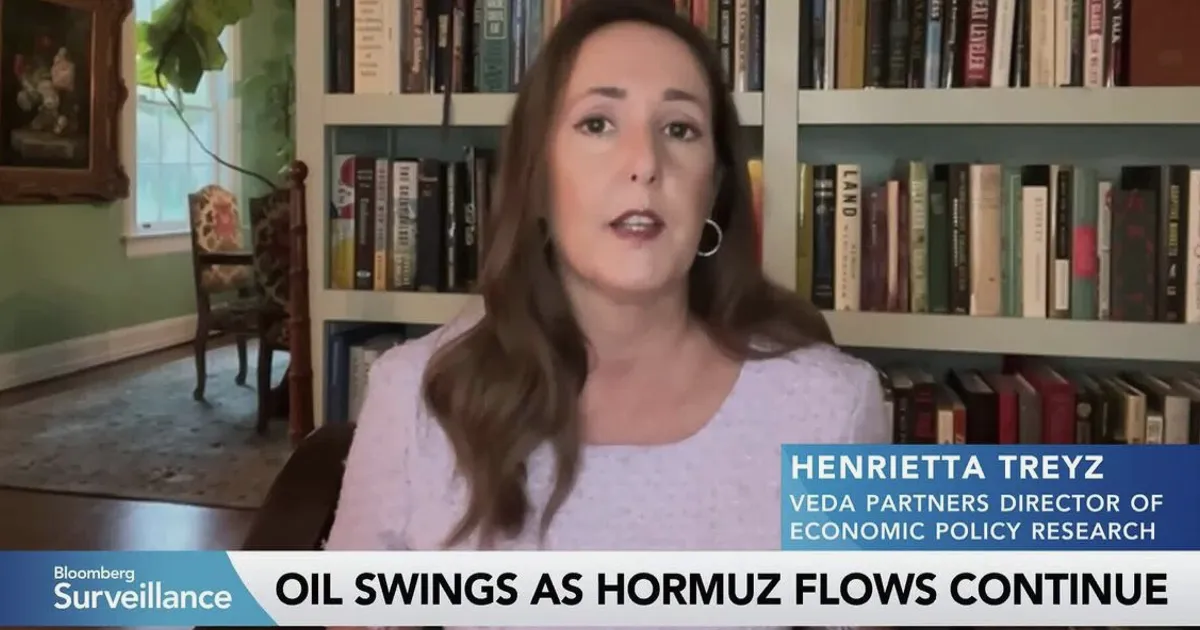
Henrietta Treyz, director of economic policy research at Veda Partners, stated that Iran will remain in control of the Strait of Hormuz after the conflict ends, a view shared during a Bloomberg Surveillance interview ahead of the upcoming NATO summit. Treyz emphasized that Iran's strategic position is unlikely to be dislodged, given its military capabilities and the narrow geography of the strait, which is only 21 miles wide at its narrowest point. This assessment comes as tanker owners continue to price in war risk premiums for voyages through the region, with some vessels opting for longer routes around Africa to avoid potential confrontations.
Treyz's assessment carries significant weight for oil markets, as the Strait of Hormuz is a critical chokepoint through which about 20% of global oil supply transits, roughly 17 million barrels per day. Any disruption or change in control could directly impact tanker routes, insurance costs, and ultimately crude prices. For fuel traders, the prospect of sustained Iranian oversight suggests continued geopolitical risk premiums, though it may also imply a degree of stability if Iran maintains orderly passage. The Brent-WTI spread has widened in recent weeks, reflecting the higher risk associated with Middle Eastern crude, while US Strategic Petroleum Reserve levels remain near 40-year lows, limiting the government's ability to intervene in case of a supply shock. Additionally, crack spreads—the difference between crude oil and refined product prices—have surged as refineries pass on higher input costs to consumers, particularly for diesel and jet fuel. Live fuel prices and charts on NowPrice reflect how the market is pricing in these geopolitical dynamics, with backwardation in the futures curve indicating near-term supply tightness.
Looking ahead, traders will watch the NATO summit for any shifts in allied policy toward Iran and the region, including potential new sanctions or naval deployments. Key data releases, such as weekly US crude inventory reports and OPEC+ production figures, will also provide near-term direction. OPEC+ spare capacity, estimated at around 4-5 million barrels per day, is concentrated in Saudi Arabia and the UAE, but these volumes may not fully compensate for a prolonged Hormuz closure due to quality differences and logistical constraints. Meanwhile, China's marginal demand for crude remains a wild card, as its economic recovery slows and it continues to stockpile discounted Iranian and Russian barrels. The market remains sensitive to any signs of escalation or diplomatic breakthroughs that could alter the status quo in the Gulf, with Saudi-Russia coordination on output levels adding another layer of complexity to the supply outlook.