




Iraq Boosts Oil Output at Three Southern Fields to Full Capacity
Iraq has raised production at three southern oil fields to full capacity as tankers arrive to load cargoes, signaling a potential increase in global supply and pressure on OPEC+ quotas.
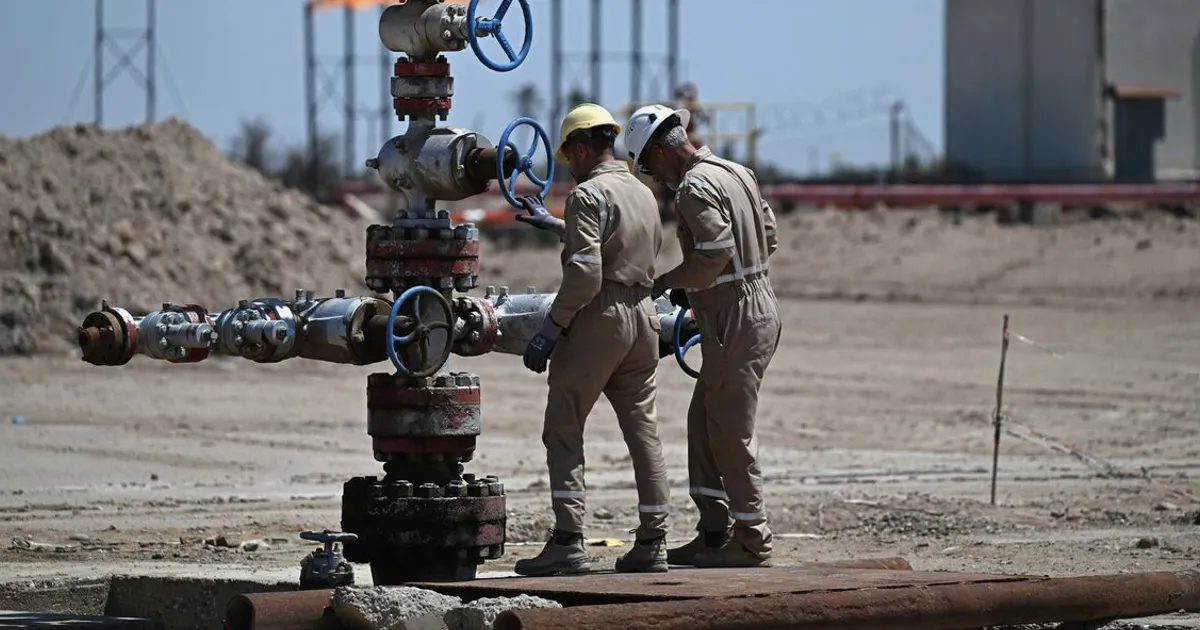
Iraq has boosted oil output at three major southern fields to full capacity, according to a person familiar with the operations, as tankers begin arriving to load export cargoes. The move comes as the country seeks to maximize revenue from its vast reserves amid fluctuating global prices. The three fields, located in the Basra region, are now producing at their technical maximum, adding roughly 200,000 barrels per day to Iraq's total output, which stood at about 4.3 million bpd in recent months. This ramp-up aligns with Iraq's ambition to increase its market share, especially as OPEC+ spare capacity remains concentrated in Saudi Arabia and the UAE, giving Iraq less flexibility to adjust output quickly.
The production increase from these key fields in Iraq's oil heartland could add significant barrels to the global market, potentially weighing on crude prices. For energy traders, this development is a reminder of OPEC+ supply dynamics, where Iraq has historically pushed for higher quotas. The ramp-up may test the group's cohesion, especially if other members see it as exceeding agreed limits. The Brent-WTI spread has widened recently, reflecting differing regional supply-demand balances, and Iraq's extra output could further pressure Brent. Meanwhile, US Strategic Petroleum Reserve levels remain near 40-year lows, limiting Washington's ability to counter price drops. Crack spreads, which measure refining margins, have softened, suggesting that product demand may not fully absorb the additional crude. China's marginal demand, a key driver of global oil consumption, has shown signs of slowing, raising questions about whether this supply will be absorbed or lead to inventory builds. Traders can monitor real-time price moves on NowPrice's live fuel dashboard to gauge market reaction.
Looking ahead, the market will watch for official OPEC+ production data and any response from Saudi Arabia, the de facto leader of the alliance. Saudi-Russia coordination has been central to OPEC+ discipline, but Iraq's unilateral increase could strain relations. Iraq's ability to sustain this higher output level, along with export terminal capacity, will be key factors. Additionally, global demand signals from major consumers like China and the US will determine whether this additional supply is absorbed or leads to inventory builds. The contango structure in the futures market has flattened, indicating that traders expect near-term oversupply. If backwardation emerges, it could signal tightening, but for now, the market remains cautious. Any official OPEC+ response, such as a compensatory cut from other members, could reshape the supply outlook.