




Iraq Faces Oil Export Crisis as Turkey Pipeline Deal Expires July 27
Iraq's oil export capacity faces a severe blow as the pipeline deal with Turkey expires on July 27, threatening to cut off a critical revenue stream amid reduced Strait of Hormuz access.
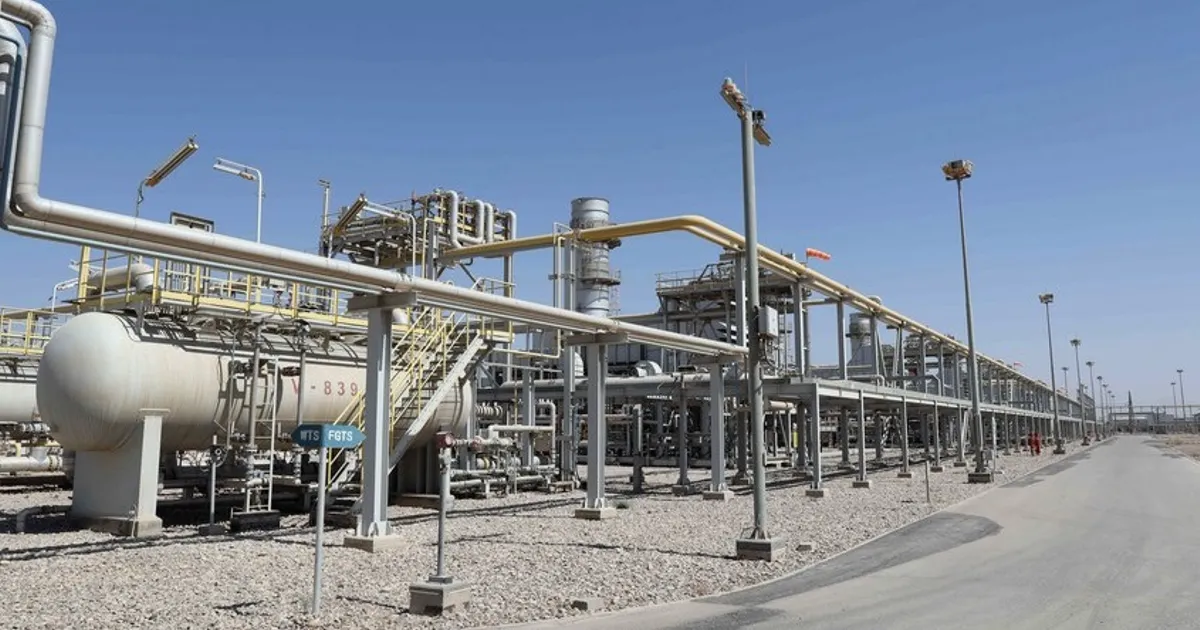
Iraq, OPEC's second-largest oil producer, faces a looming economic crisis as the agreement allowing it to export crude through two pipelines into Turkey expires on July 27. These pipelines have become vital for Iraq's oil exports since the effective closure of the Strait of Hormuz on February 28, which previously handled about 95% of Iraq's crude shipments to Asia. Without a renewal, Iraq could lose its primary remaining export route, severely impacting its revenue and global oil supply.
For energy traders, this development introduces significant supply risk from one of the world's top producers. The potential loss of Iraqi exports via Turkey could tighten global crude markets, especially if combined with ongoing OPEC+ production cuts. Iraq's ability to monetize its oil is critical not only for its own economy but also for balancing global supply. Traders should monitor the situation closely, as any disruption could support crude prices. Check NowPrice's fuel page for real-time pricing on Brent and WTI to gauge market reaction.
Looking ahead, all eyes are on negotiations between Iraq and Turkey regarding the pipeline agreement. A failure to extend the deal would force Iraq to seek alternative export routes, which may be limited and costly. The July 27 deadline adds urgency, and any signs of progress or deadlock will likely drive volatility in oil markets. Traders should also watch for potential diplomatic interventions and their impact on supply expectations.